

Collection: Chicken coops with runs
House and yard in one build. Room to roost at night and range all day, whatever the size of your flock.
Featured product
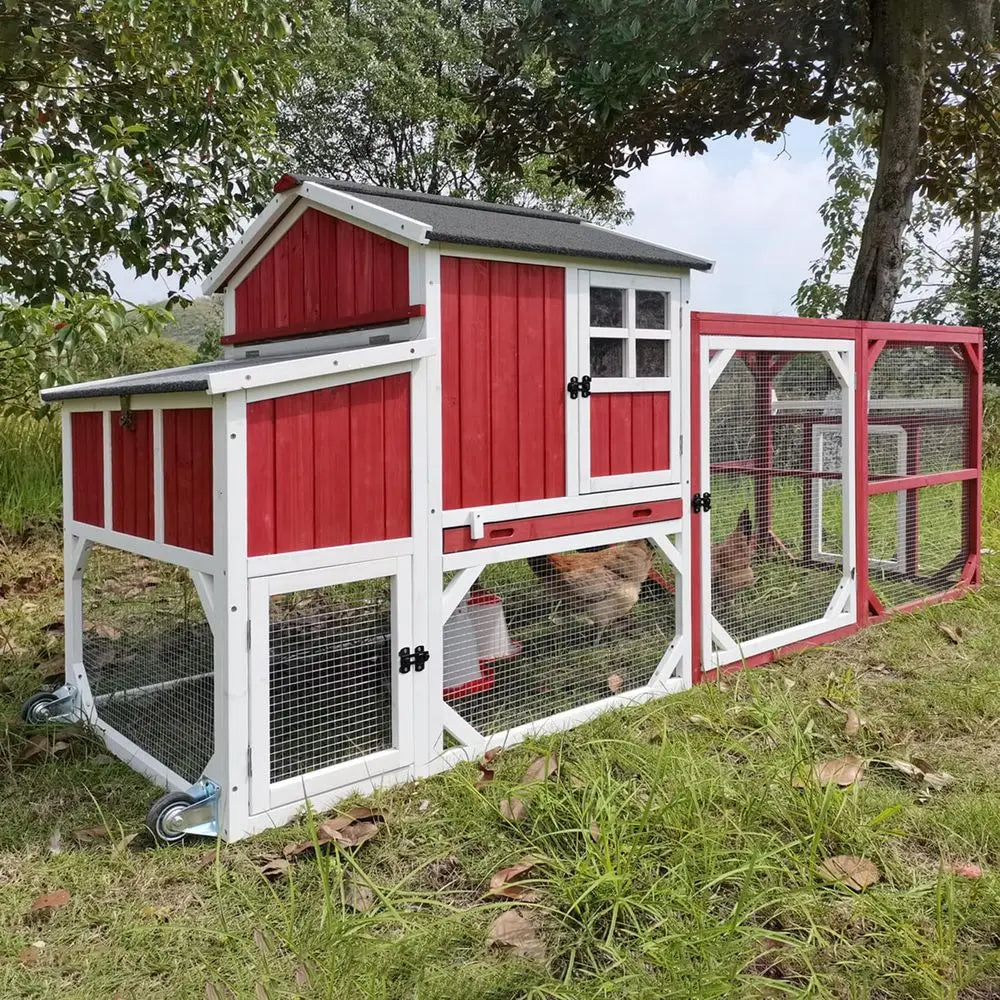
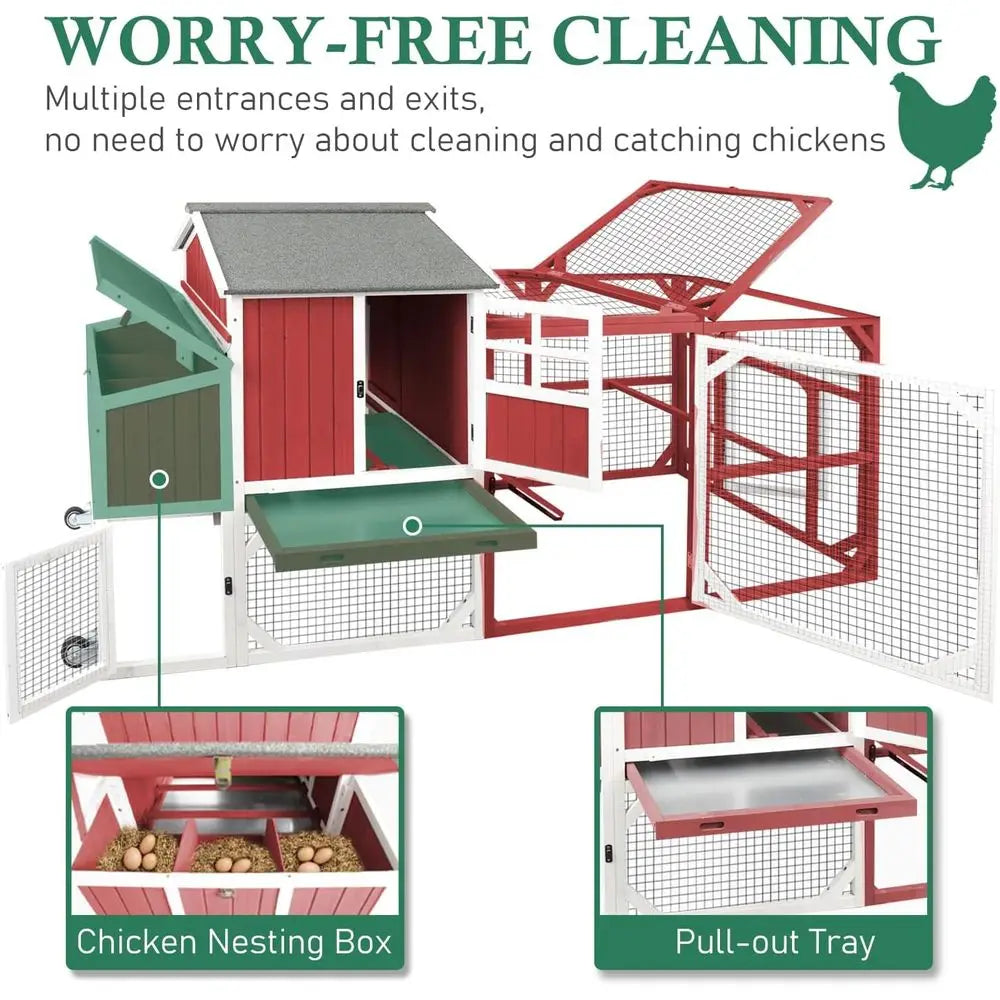
Not sure which one?
Three questions: flock size, yard space, how often you plan to move it.
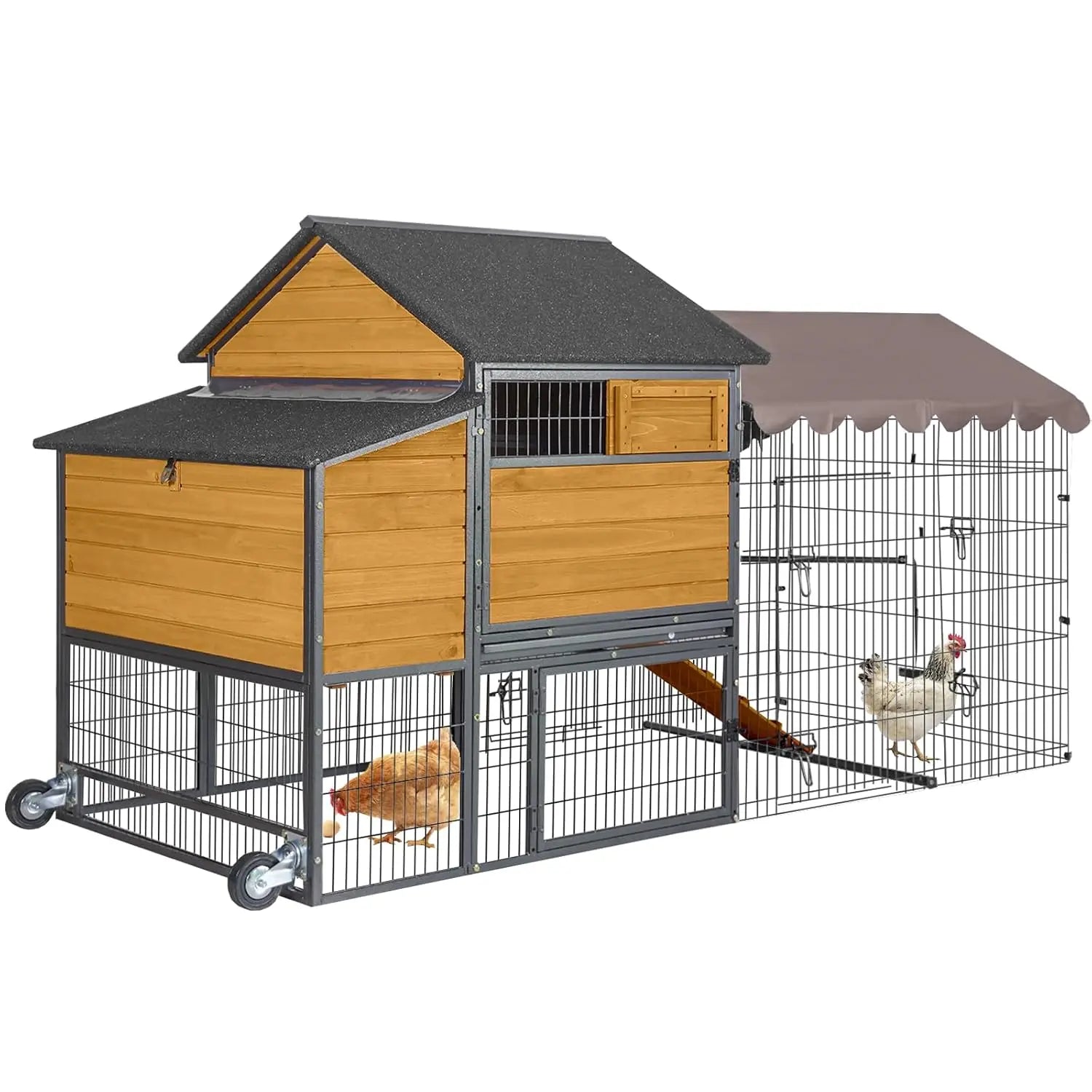
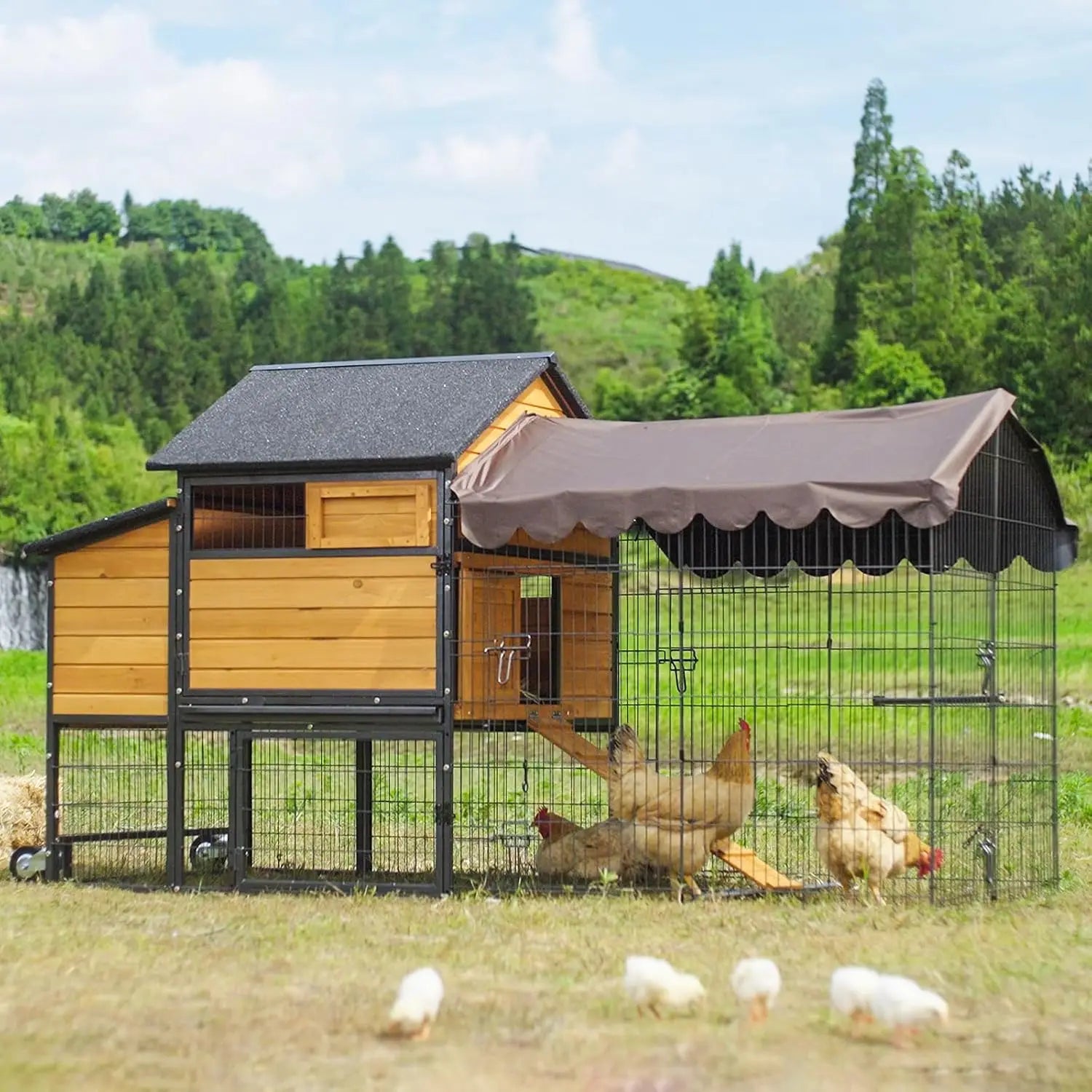
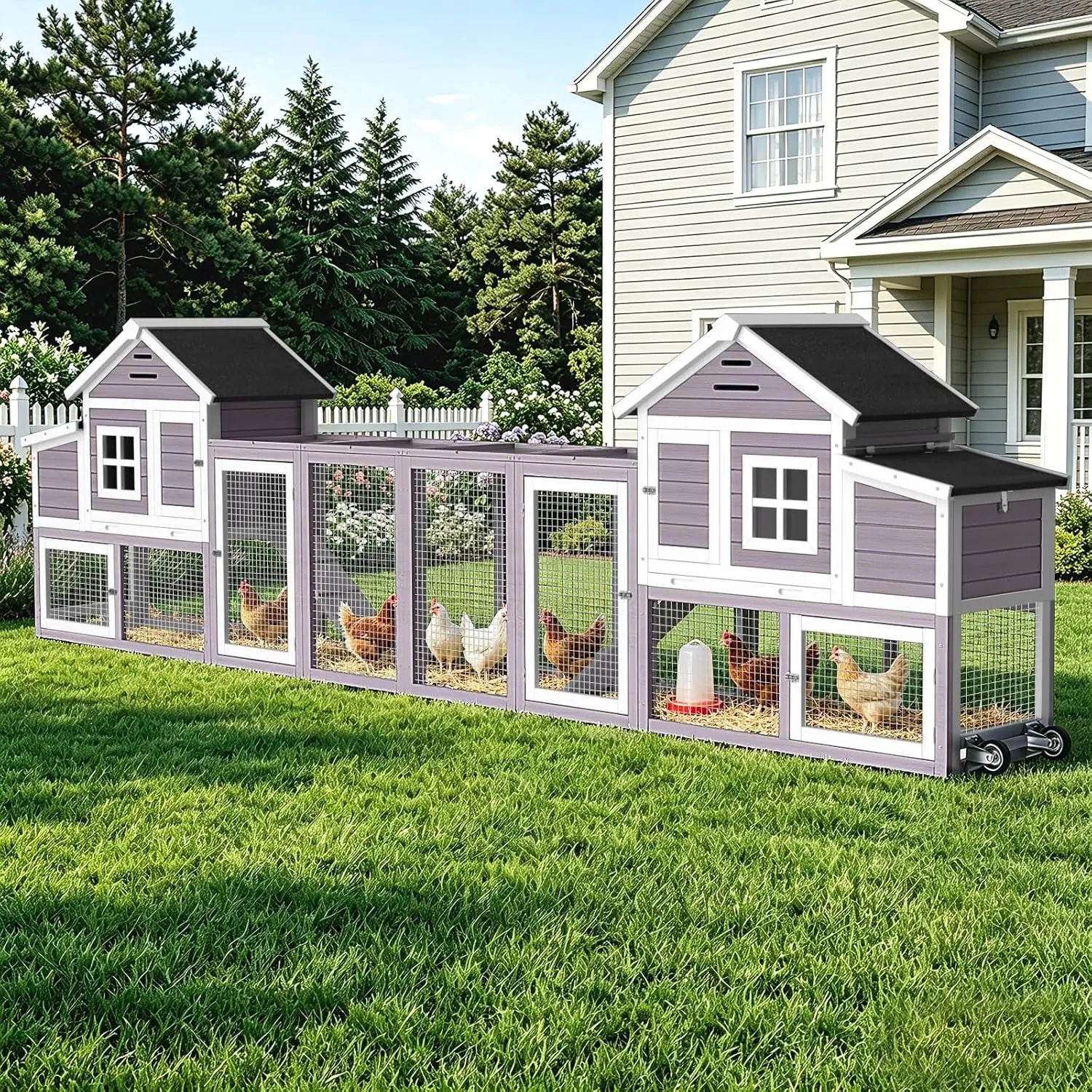
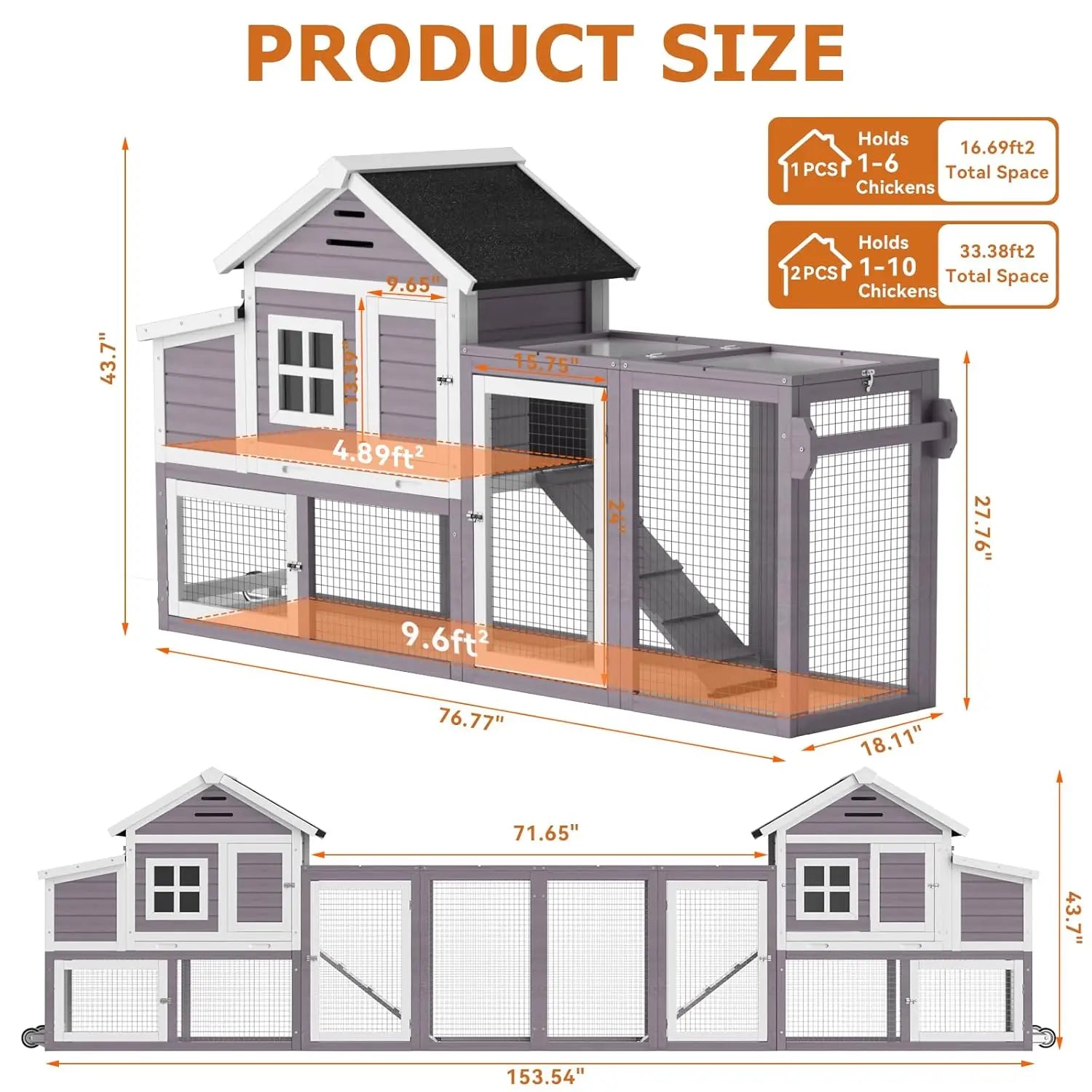
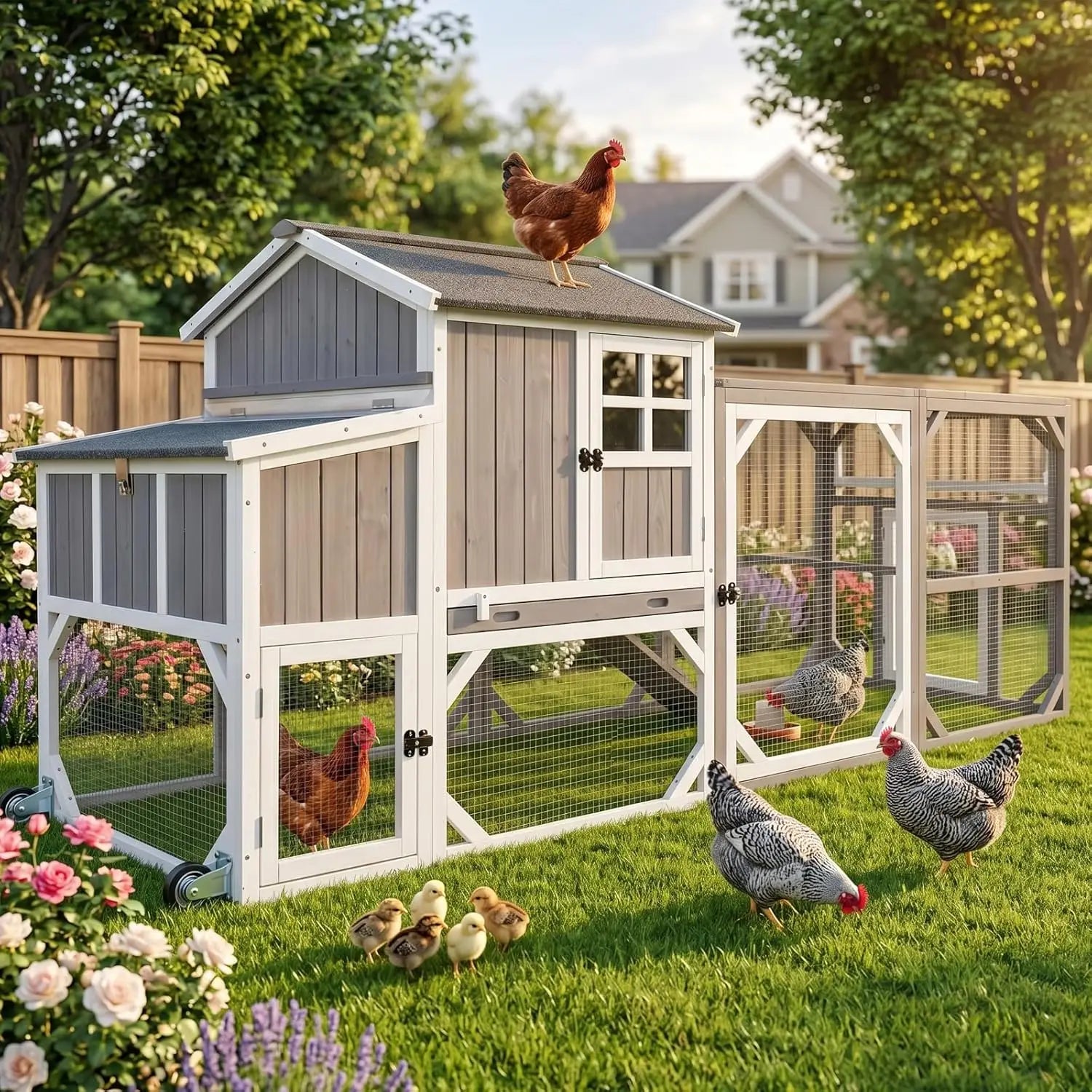
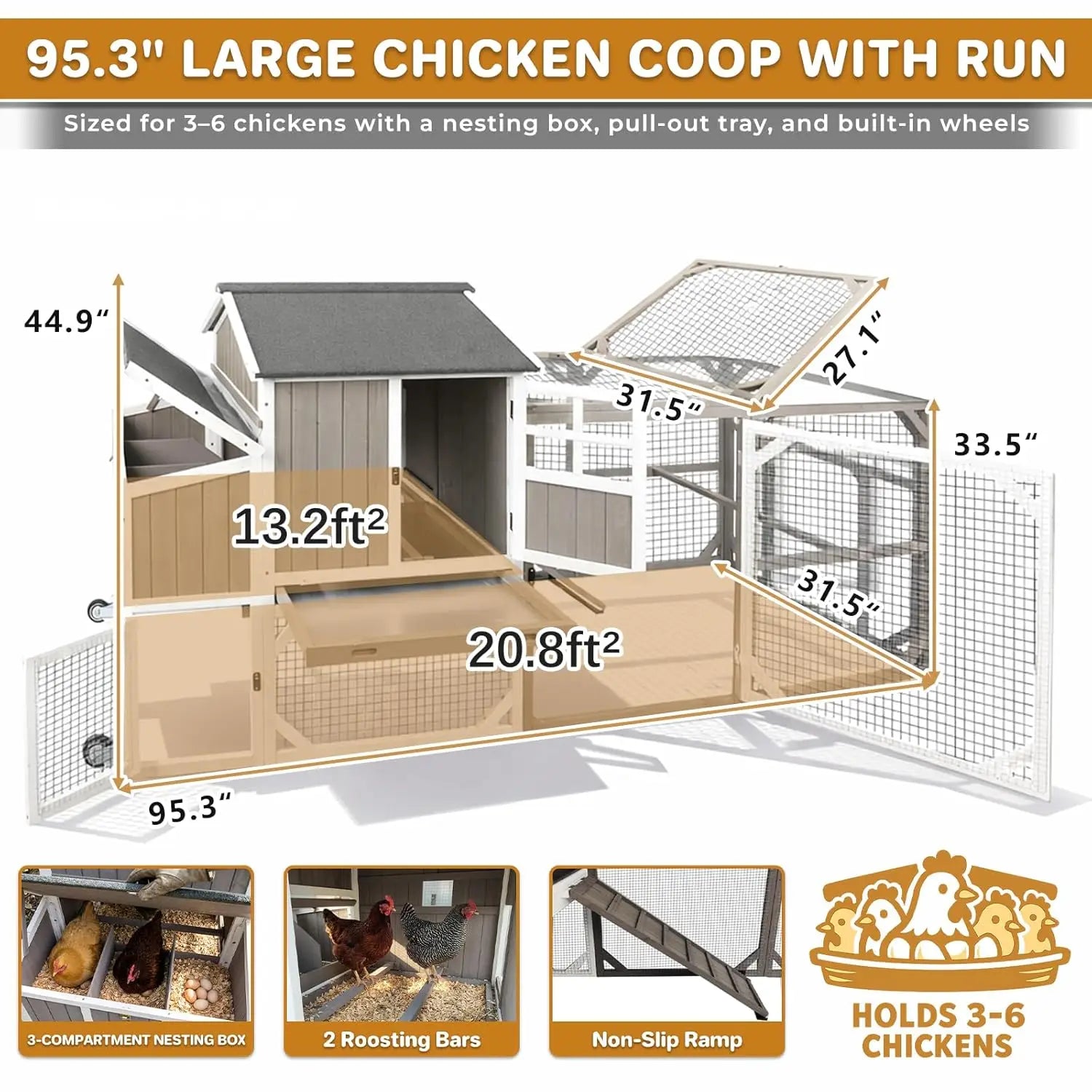
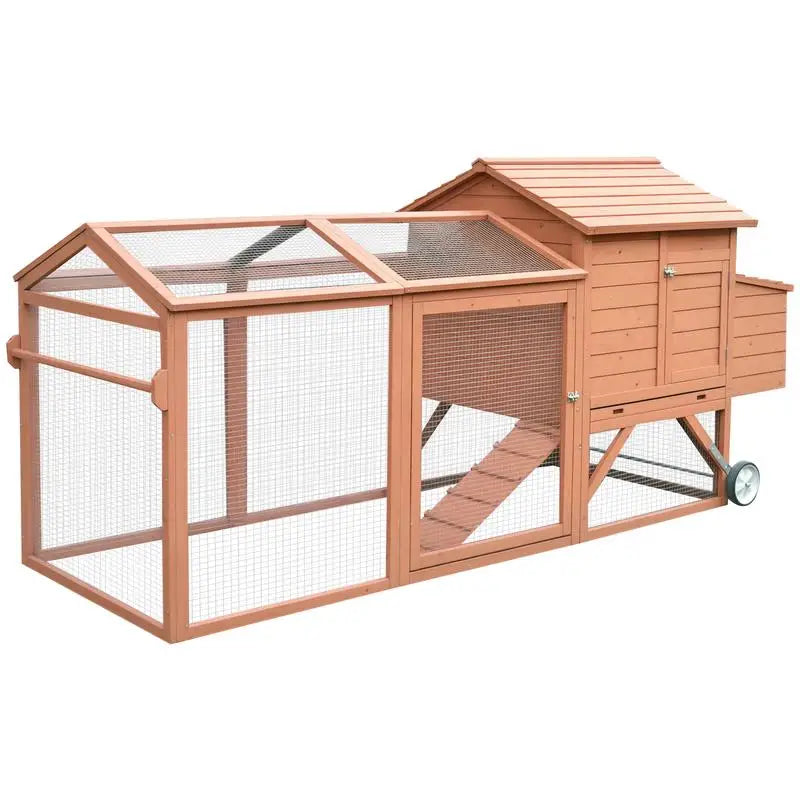
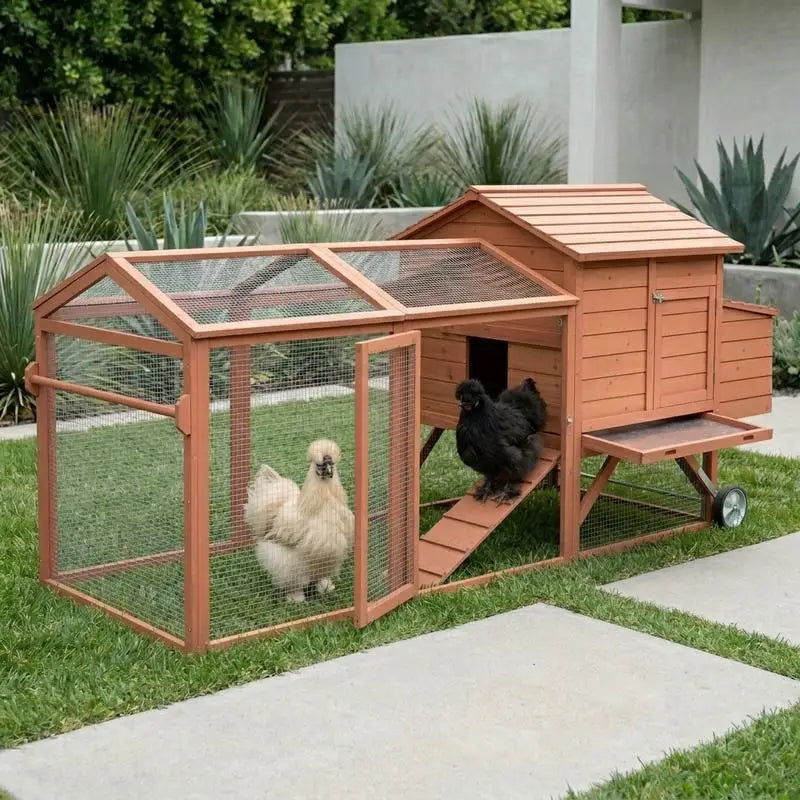
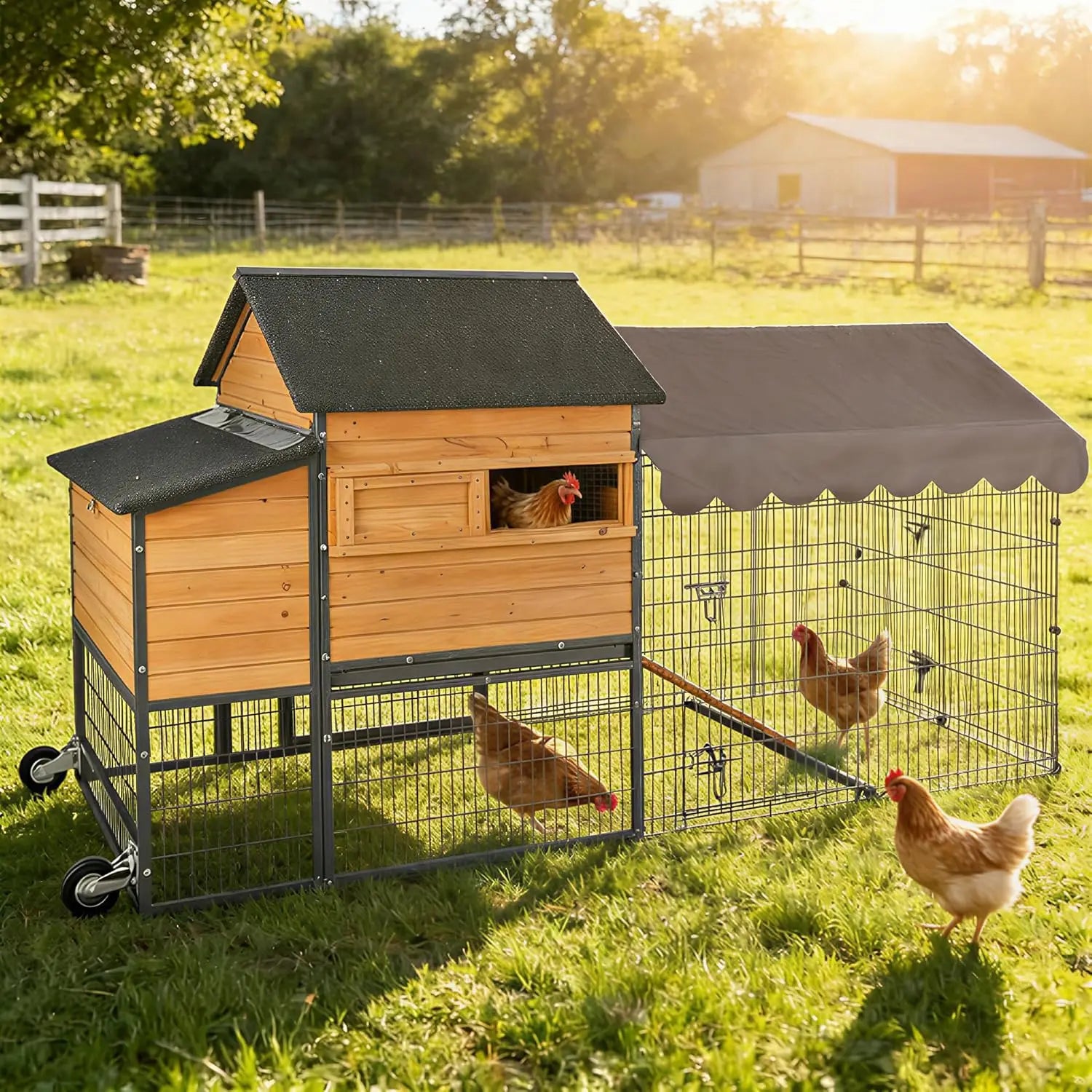
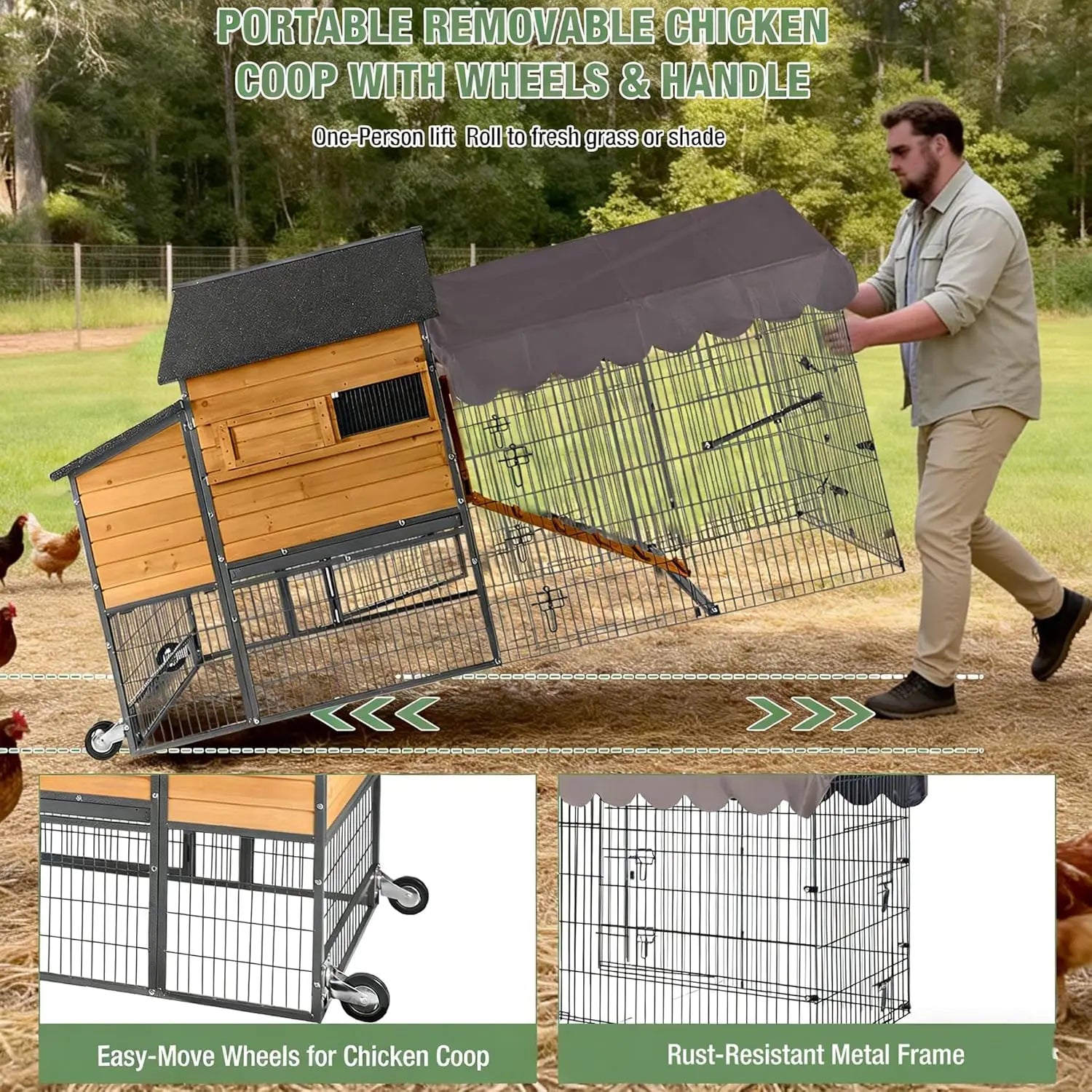
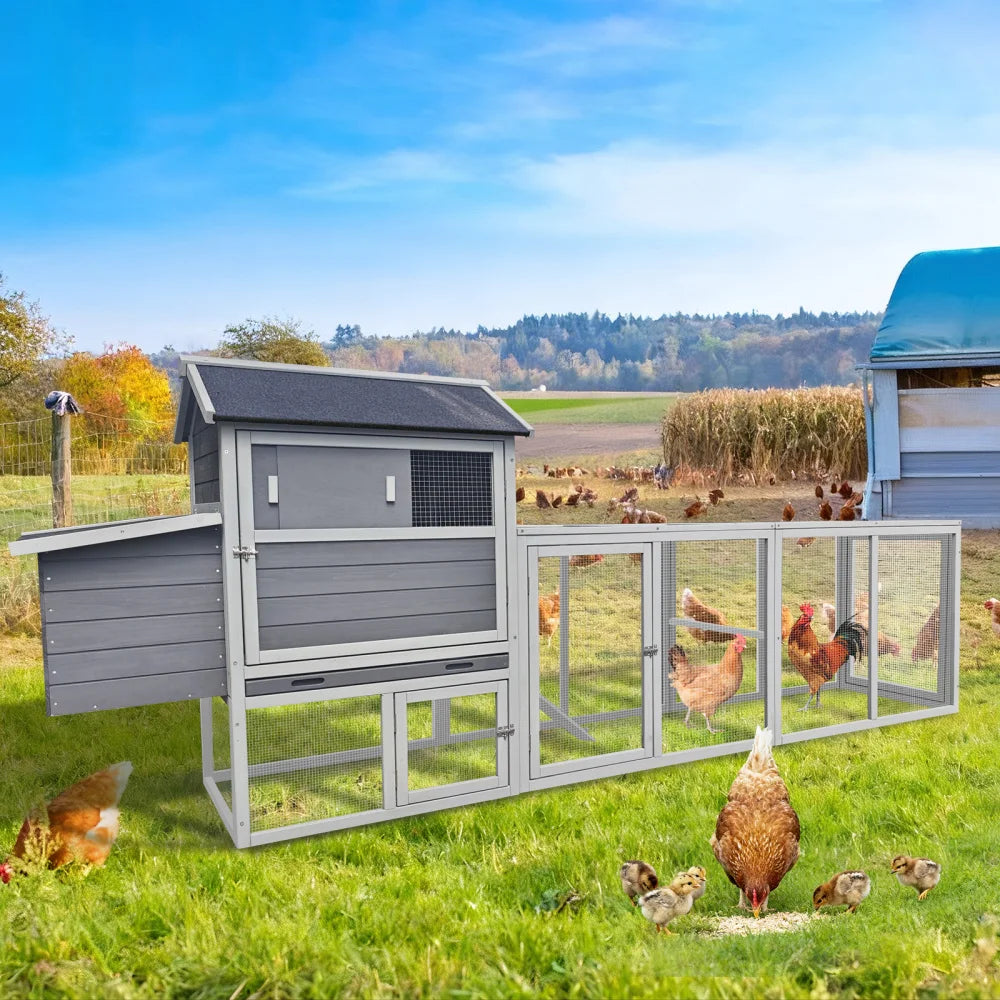
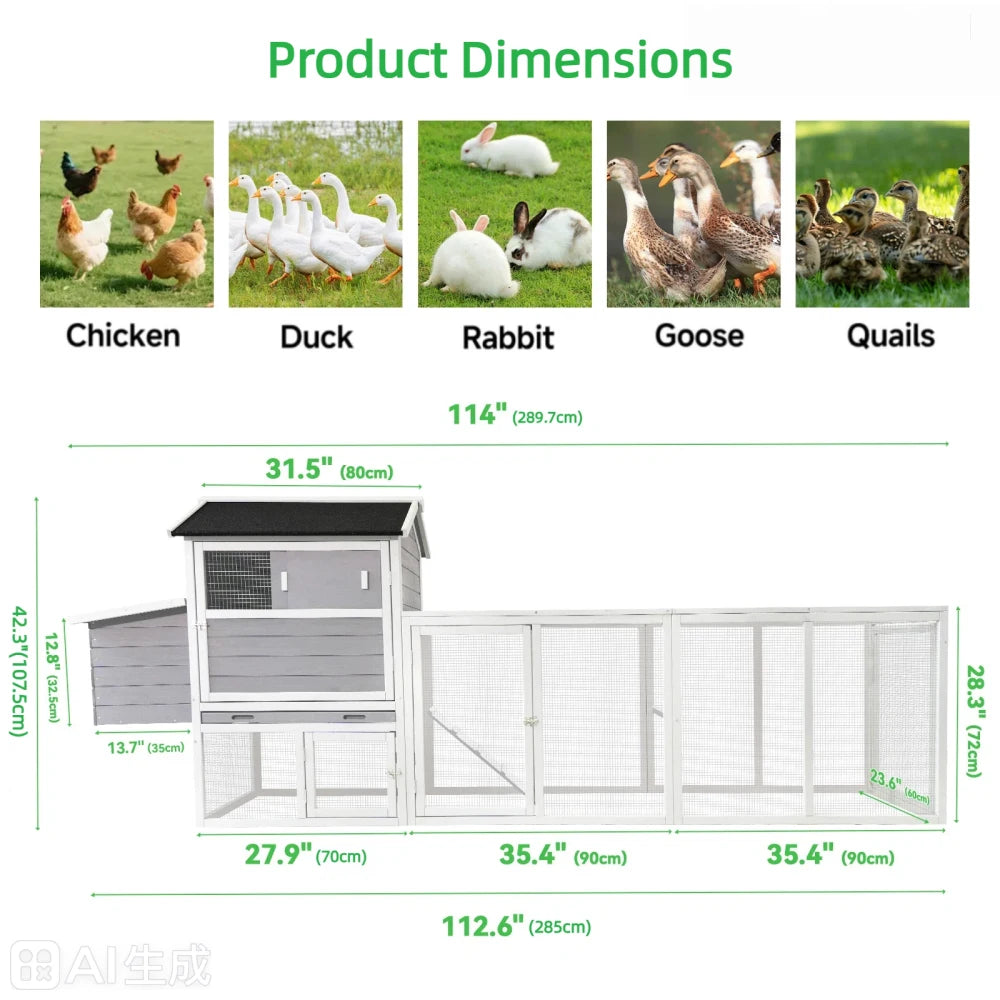
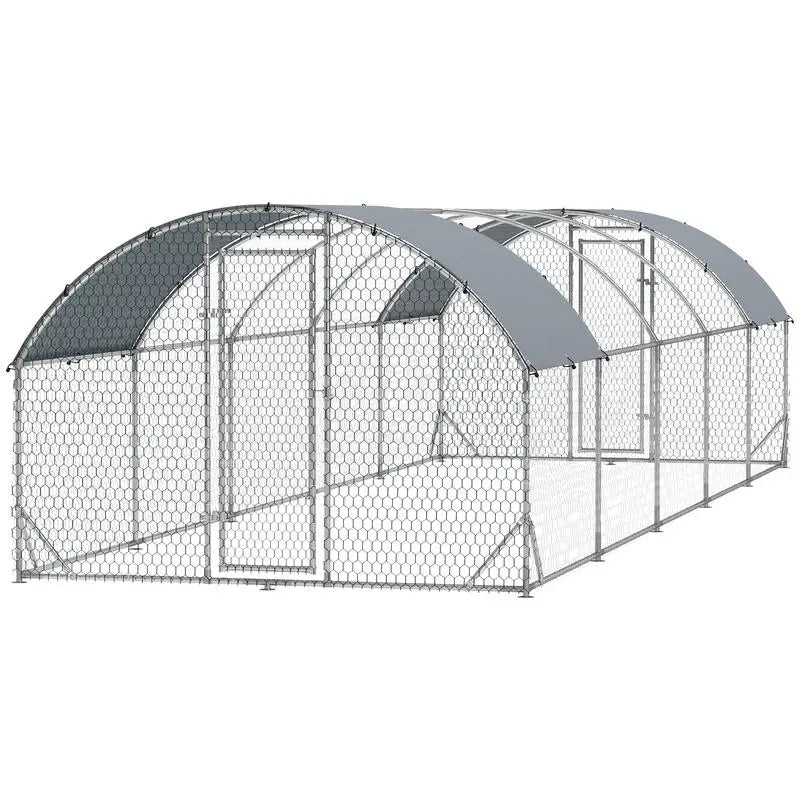
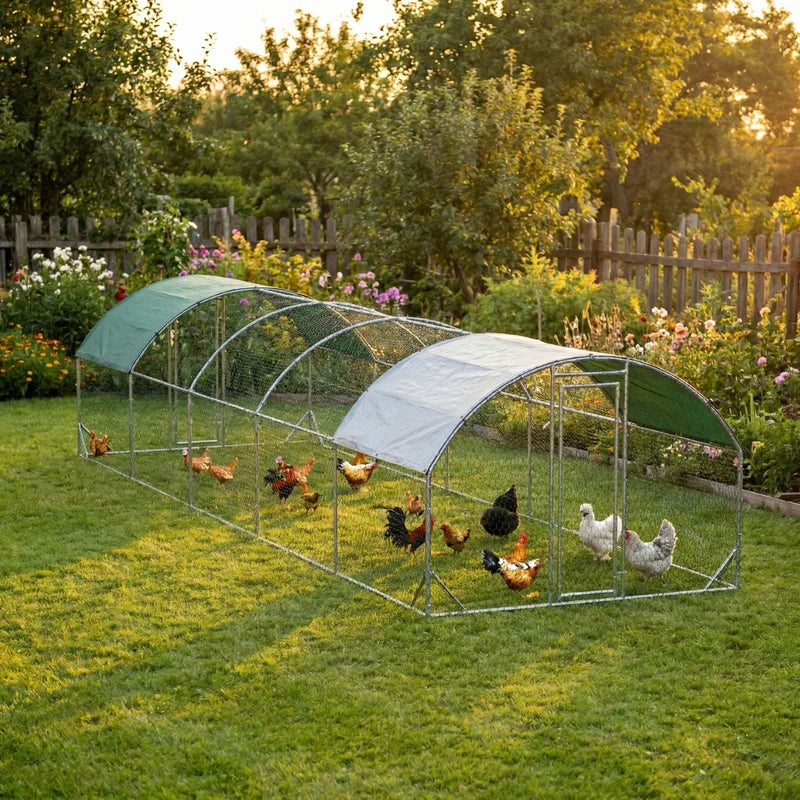
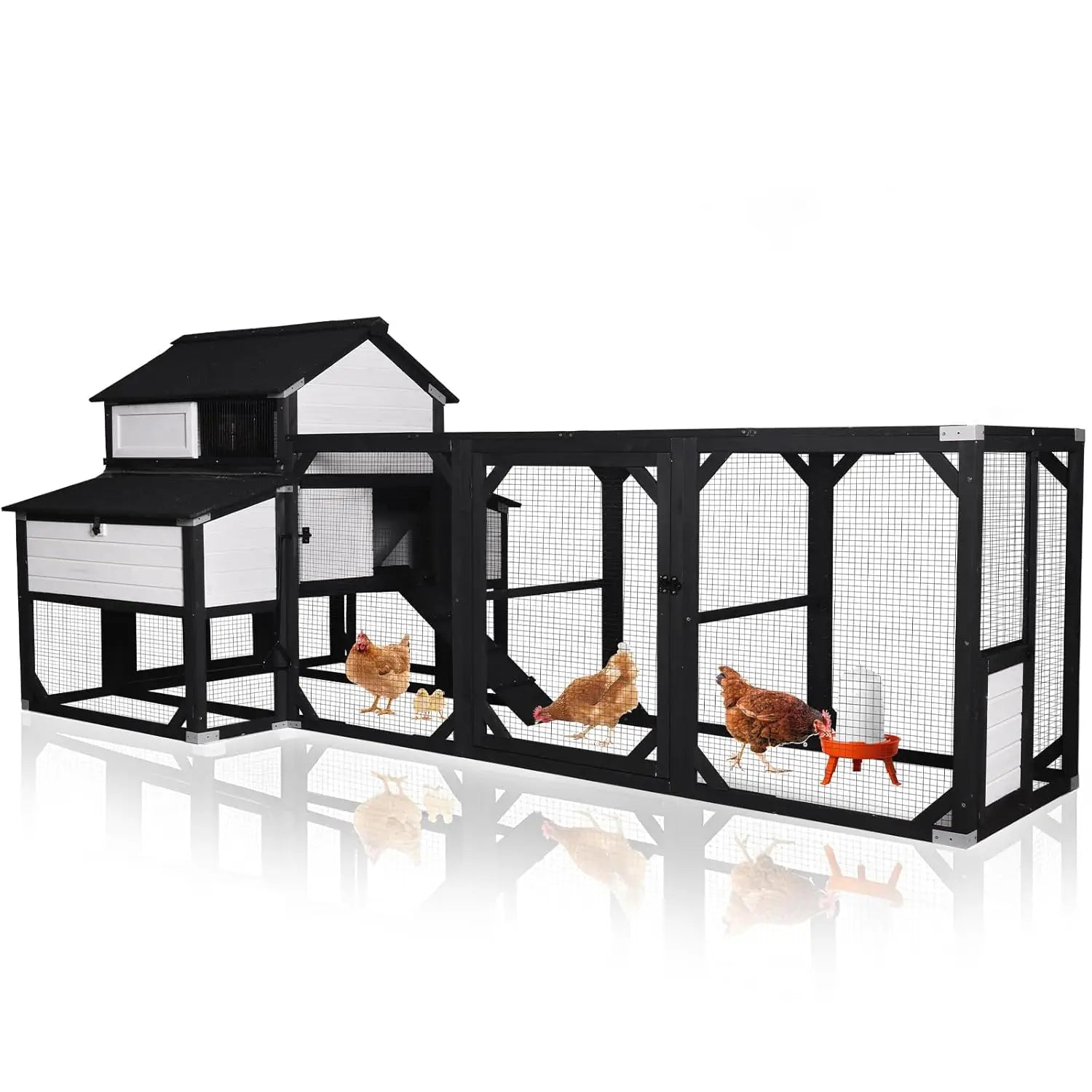
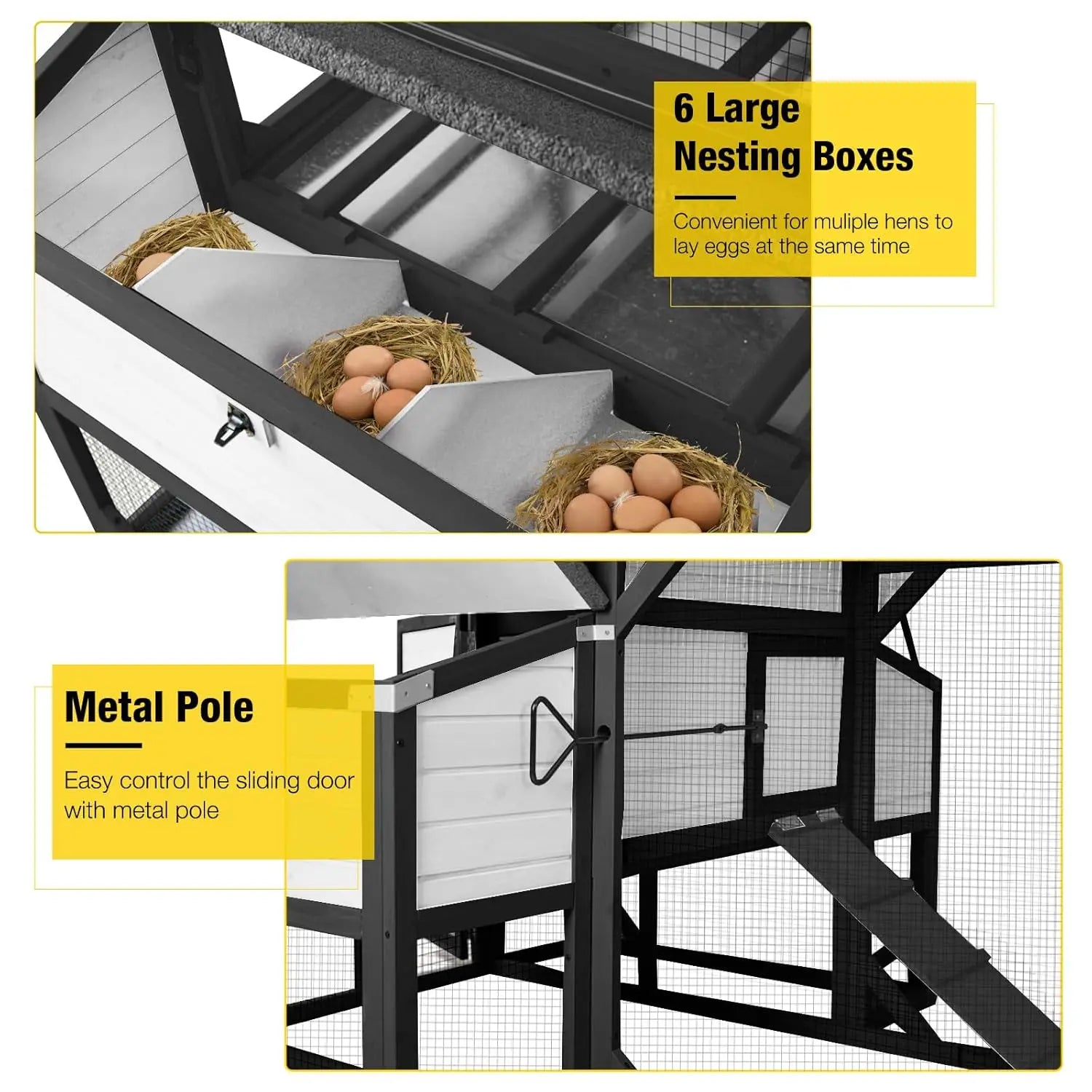
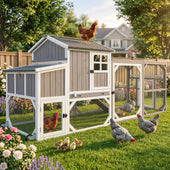
A chicken coop with a run gives you the house and the fenced outdoor space in one delivery, so the flock has somewhere to scratch without you fencing a paddock first. Several of them roll, and they range from compact runs to full XL enclosures.
Run dimensions go on the page wherever a manufacturer states them separately. Where they state house and run square footage separately we show the capacity arithmetic underneath, so you can check the hen count rather than trust it.
How much run does a flock need?
How much run a flock needs depends on how it lives; we cover the space each bird needs in our chicken coop size guide.
It's guidance, not a law. Hens that free-range in the yard all day need far less enclosed space than hens that live in the run full time. Decide which of those you're doing before you pick a size, because it changes the answer by about half.
Two things to check on any coop-with-run listing, ours included
- How much of the run is actually covered. A cover often spans only part of the run, and a listing photo taken from the sheltered end will not tell you which part. Check the cover dimensions against the run dimensions rather than the picture.
- Whether the manufacturer splits the square footage. House area and run area given separately is the pair that lets you size each properly. A single combined figure, or a bare hen count, does not: roosting space and ranging space are not interchangeable.
Coop and run, coop with run, hen coop and run
Three names, one purchase: a house joined to an enclosed outdoor space, delivered together. What actually differs between the listings is where the join is.
- Run under the house. The coop sits on legs and the run occupies the footprint beneath it. Compact, and the sheltered ground under the house is the part hens use in rain.
- Run beside the house. A longer footprint, more usable run area, and the one to measure against your fence line before ordering.
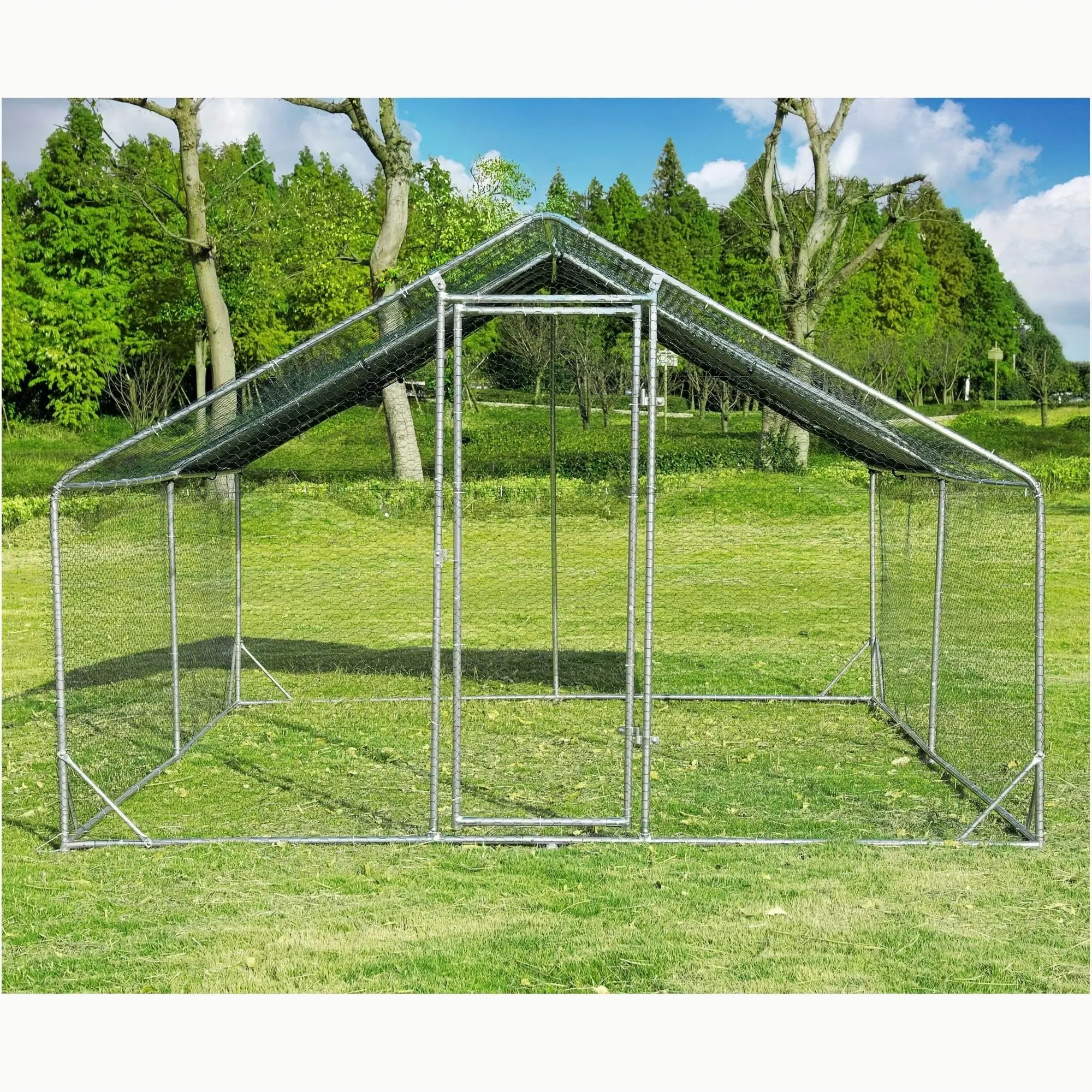
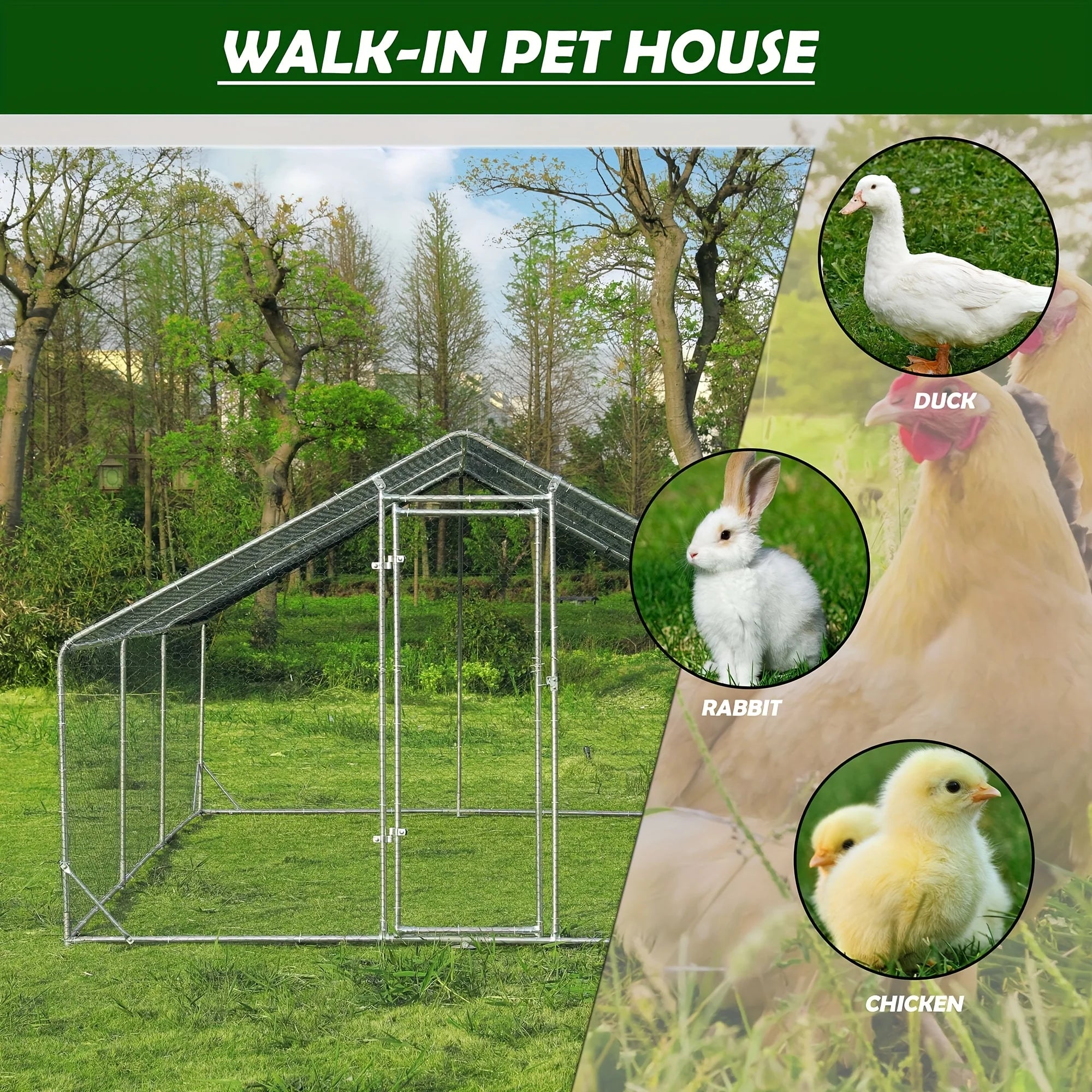
- Run around the house. A large chicken coop with run of this shape is really an enclosure with a hen house inside it — see walk-in chicken coops.
Where a manufacturer gives the run its own dimensions we publish them either way, so the shape is a preference rather than a gamble. Where they don't, ask us and we will get them.
Chicken coop run ideas that survive a winter
The run is where most of the maintenance lives, and a few decisions early save the rest.
- Cover part of it. Hens will use a dry patch in rain and churn a wet one to mud.
- Think about the ground. Grass under a static run lasts weeks, not seasons. Either plan to move the coop, or plan a surface you can rake.
- Leave yourself a way in. A run you can only reach by crawling is a run you will stop cleaning.
If the answer to the second one is "move it", the mobile range is where the run travels with the house.
On predator hardware
We list the hardware each manufacturer states: mesh type, latch type, lock count, frame material.
We don't say predator-proof, because no coop is, and most of these listings don't publish wire gauge or mesh aperture, the two numbers that would actually mean something. Ask us about a coop you are considering and we will put the question to its manufacturer before you order.
Where to go next
- Bigger flock? See large chicken coops.
- Want the run to move with the coop? See mobile chicken coops.
- Want to stand up inside? See walk-in chicken coops.