

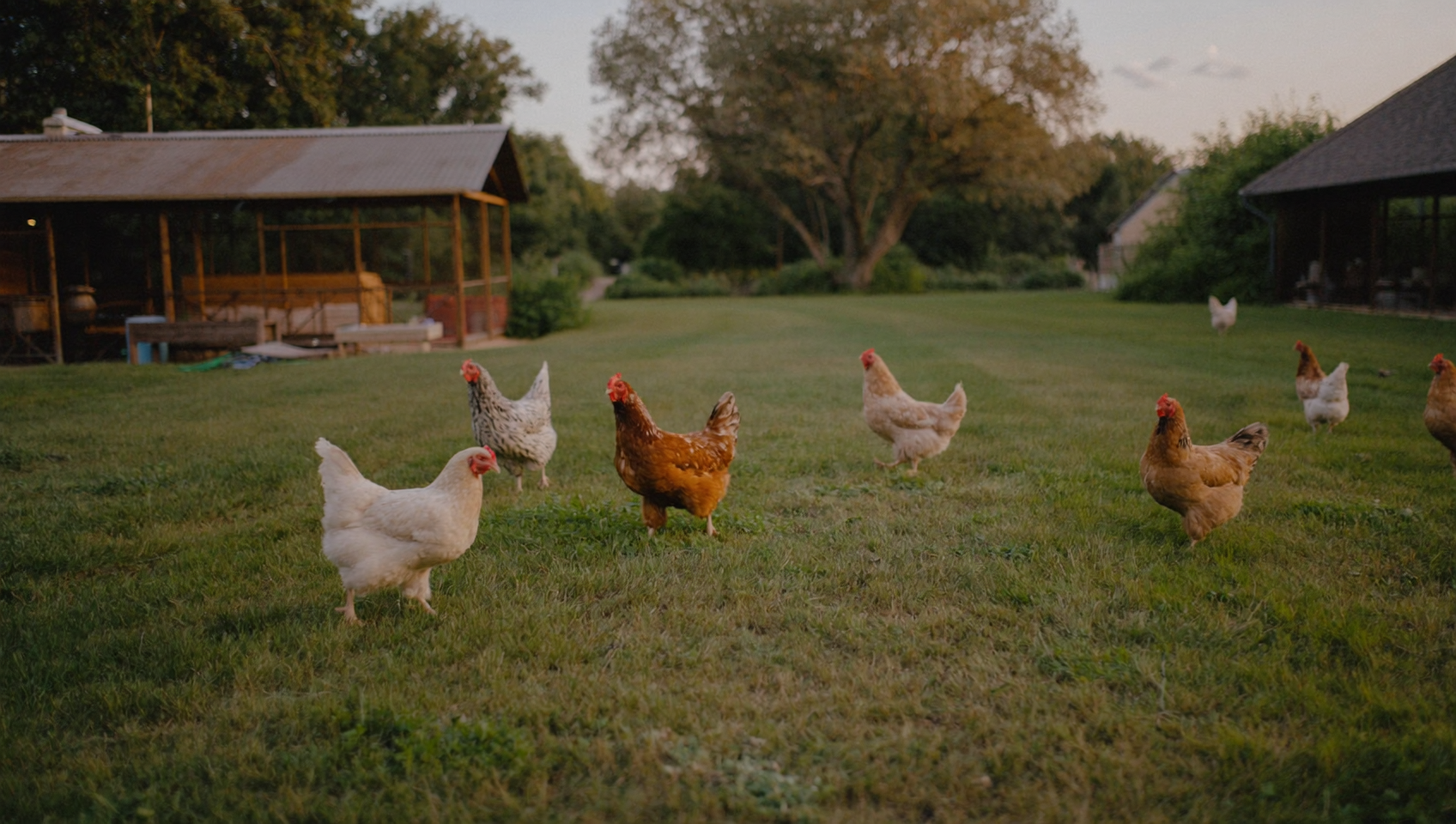
Collection: Large chicken coops
Built for bigger flocks — wide footprints and walk-in enclosures, with room to grow into.
Featured product
Not sure which one?
Three questions: flock size, yard space, how often you plan to move it.
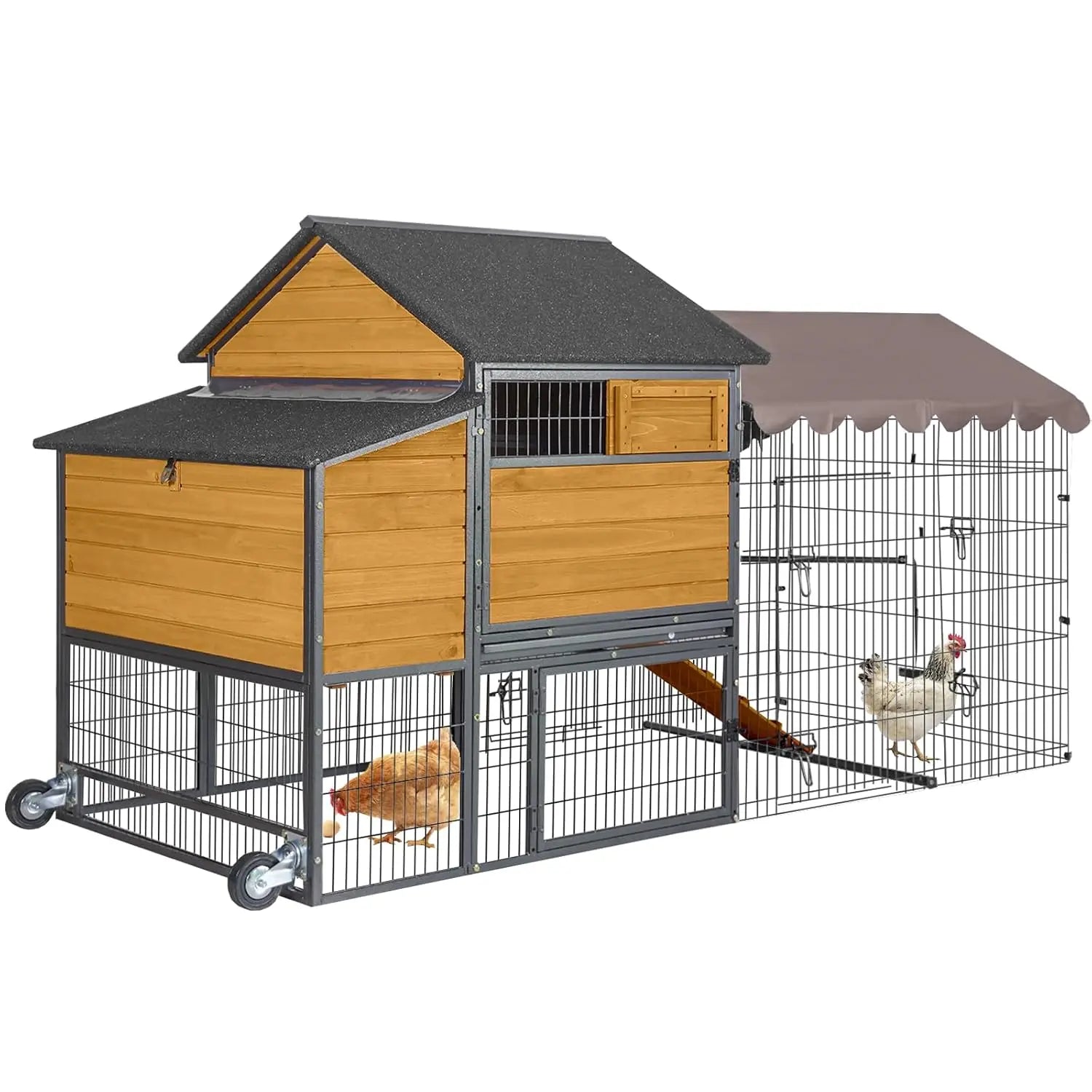
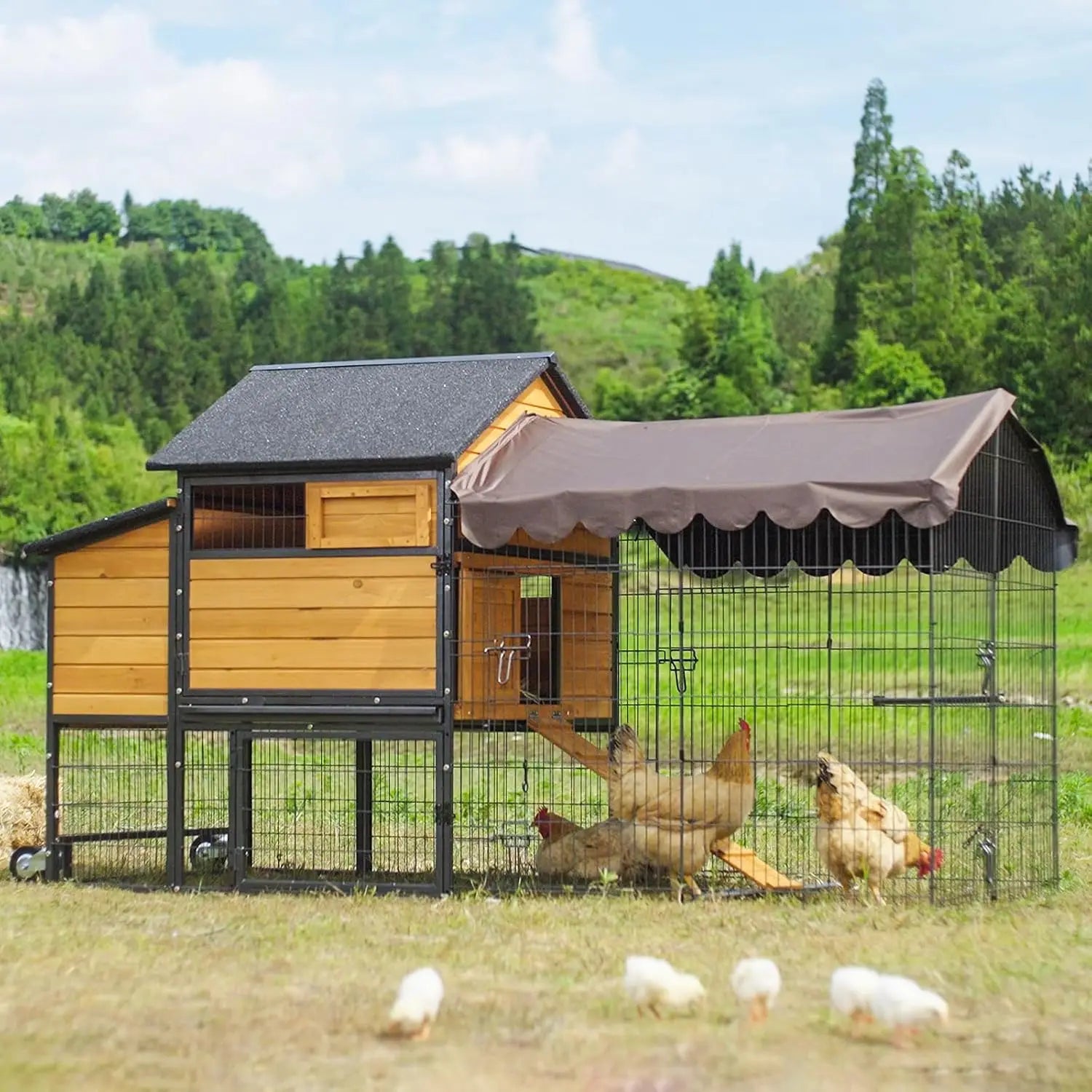
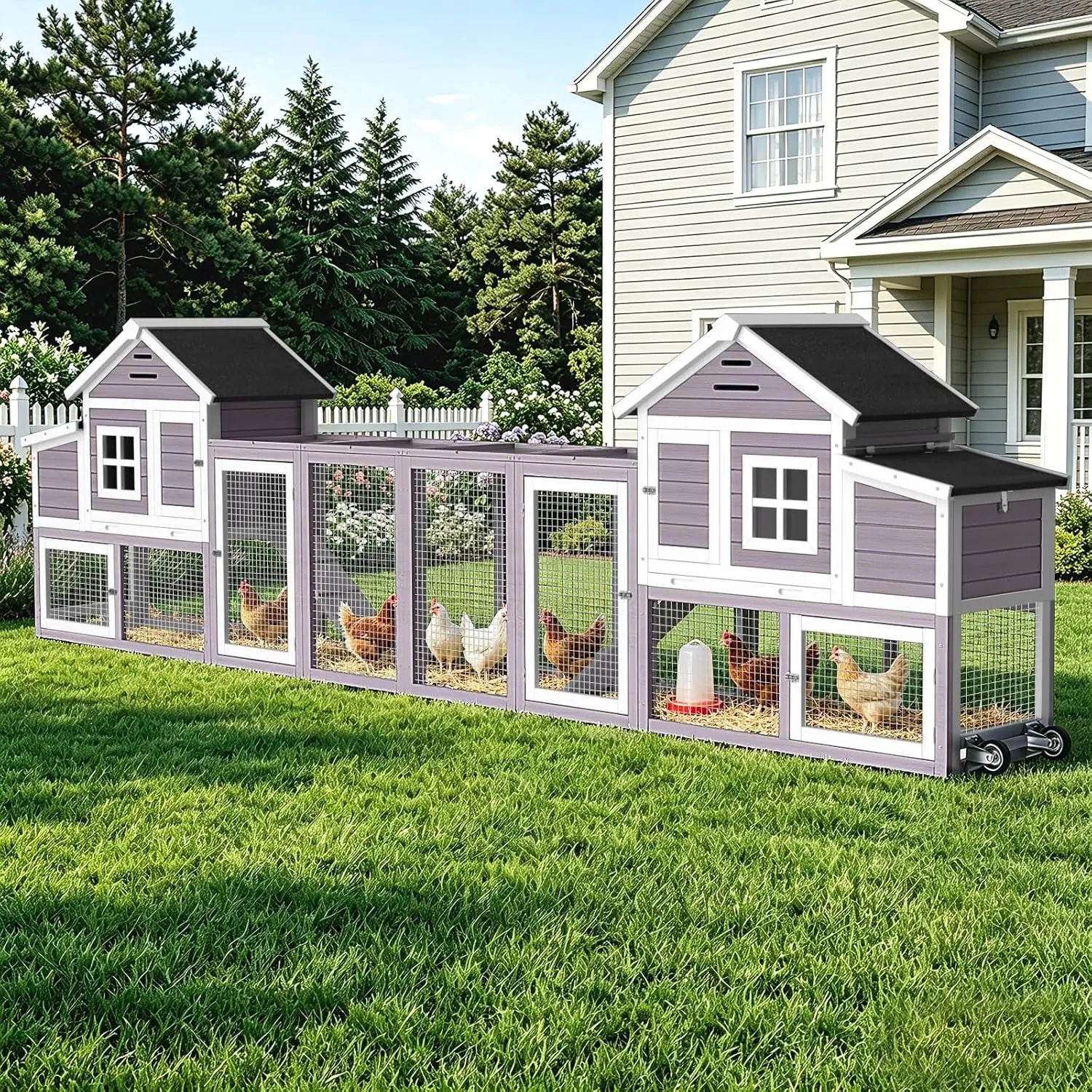
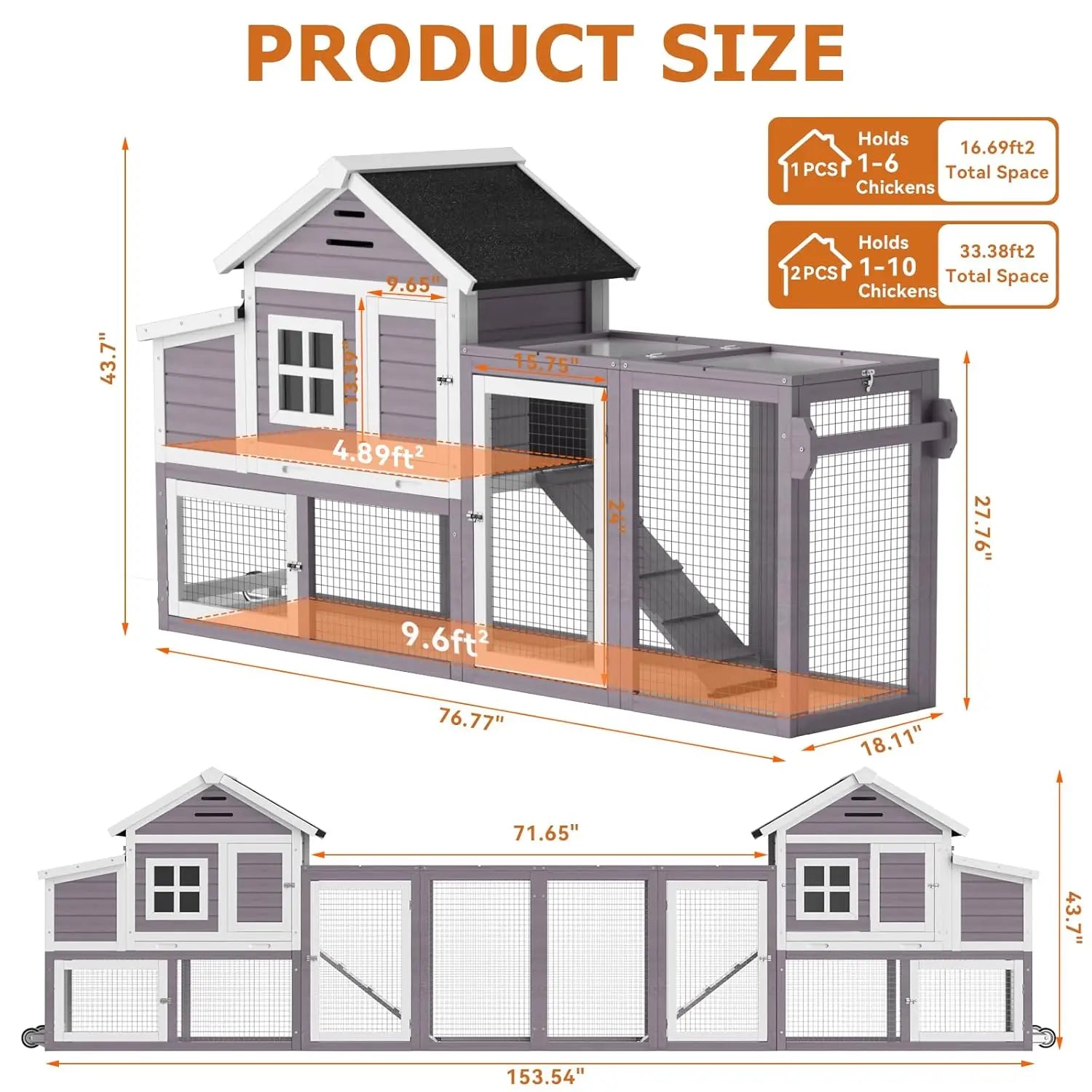
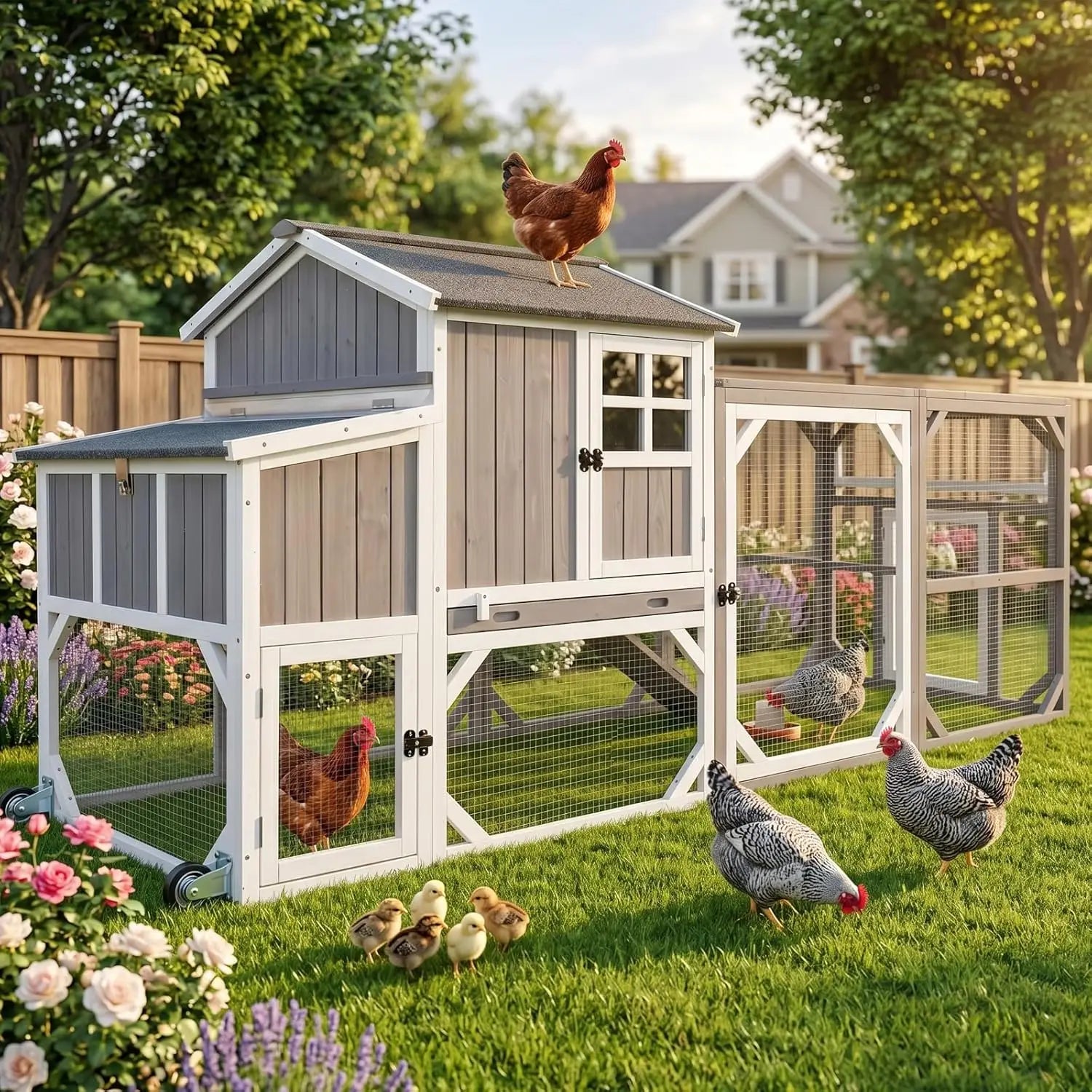
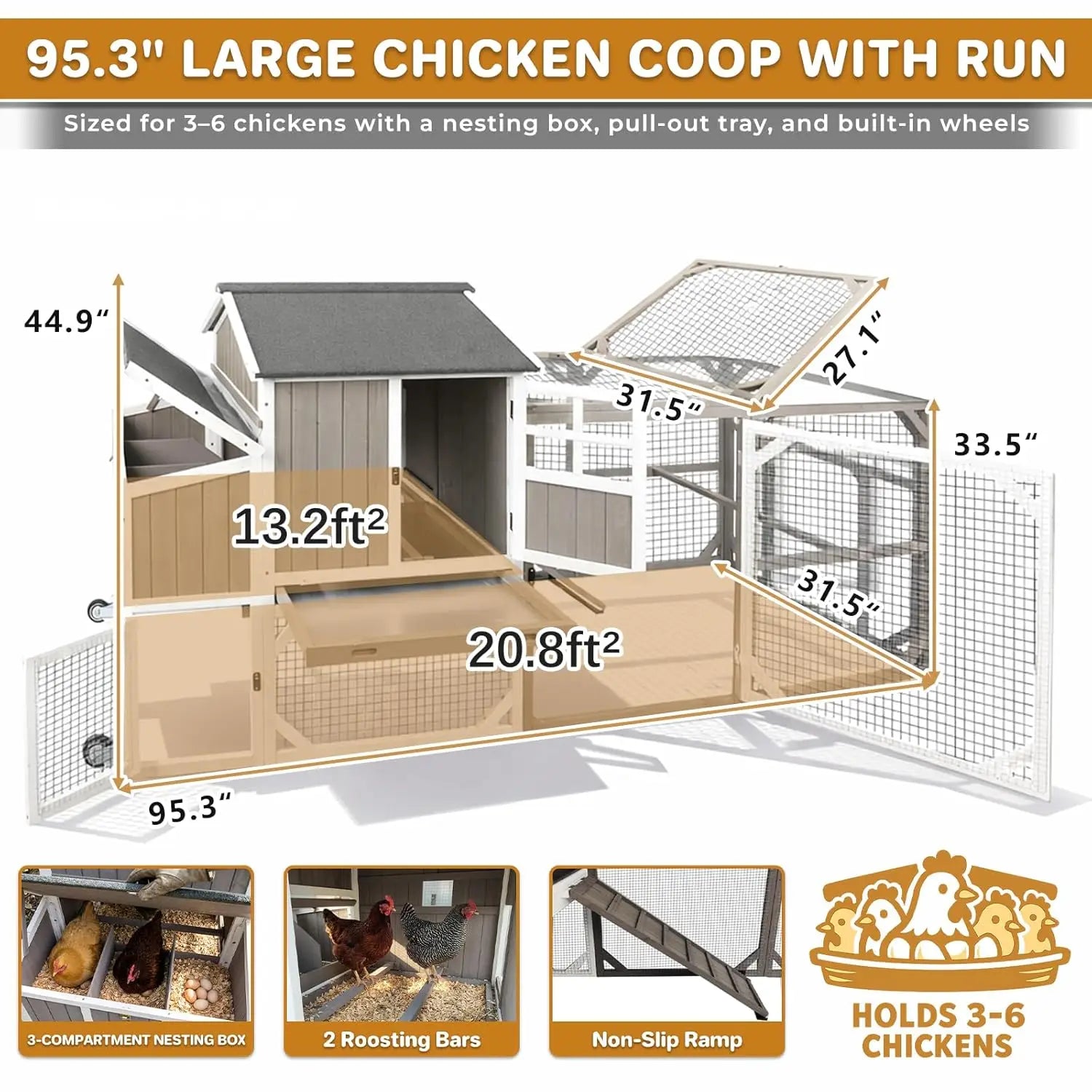
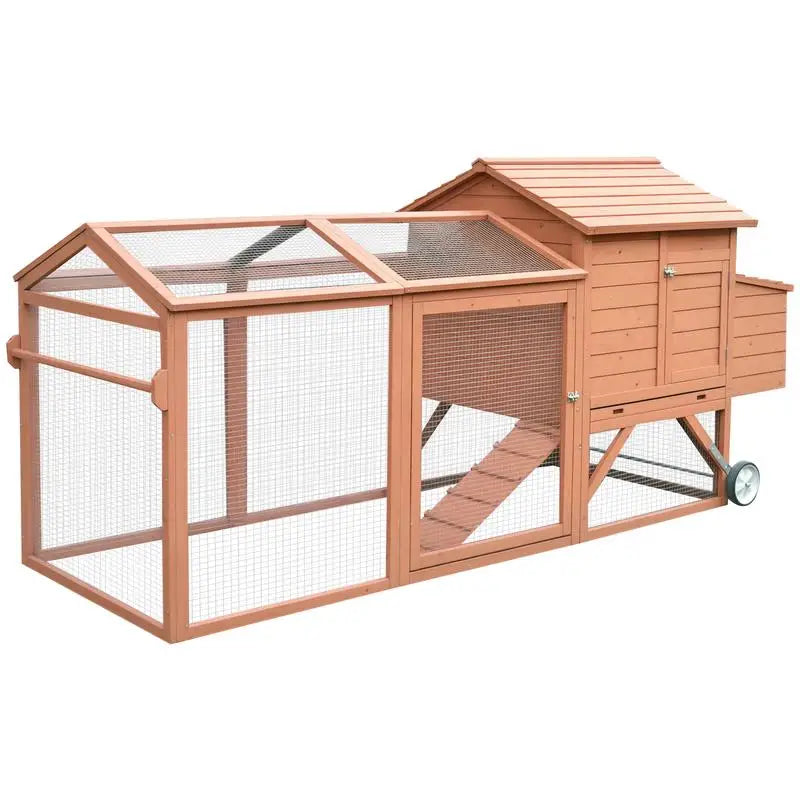
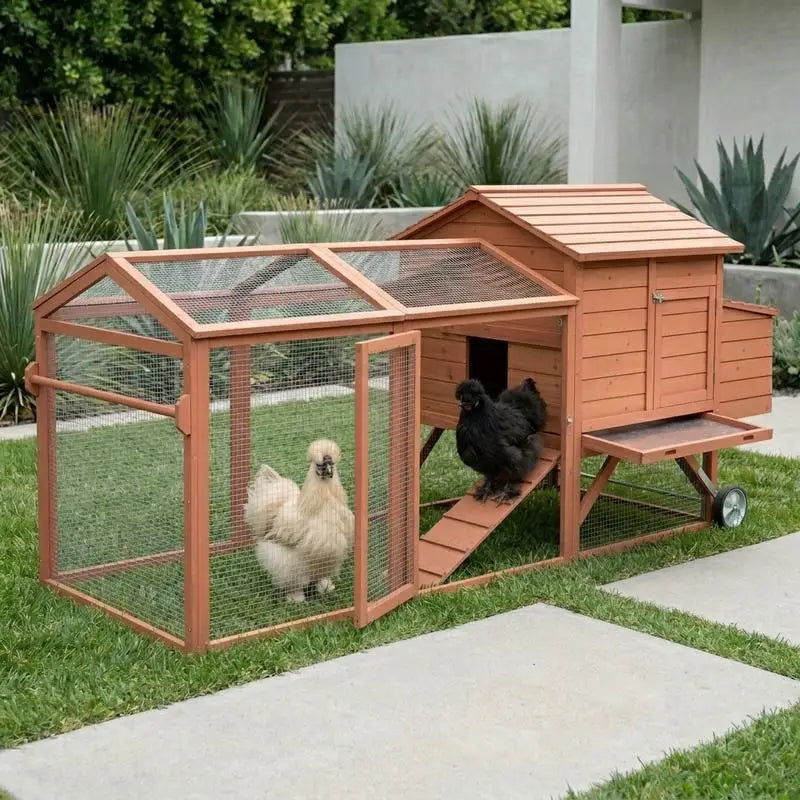
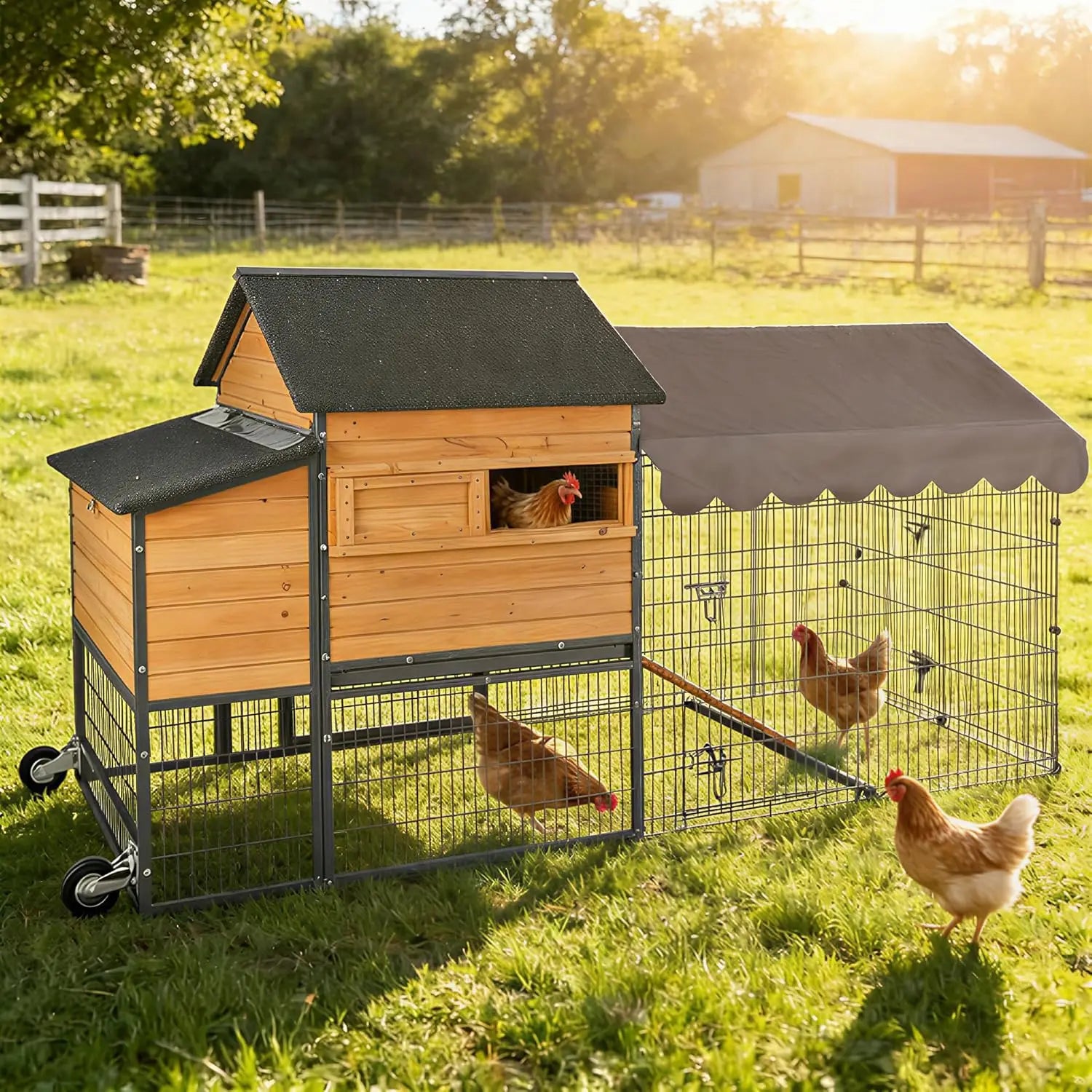
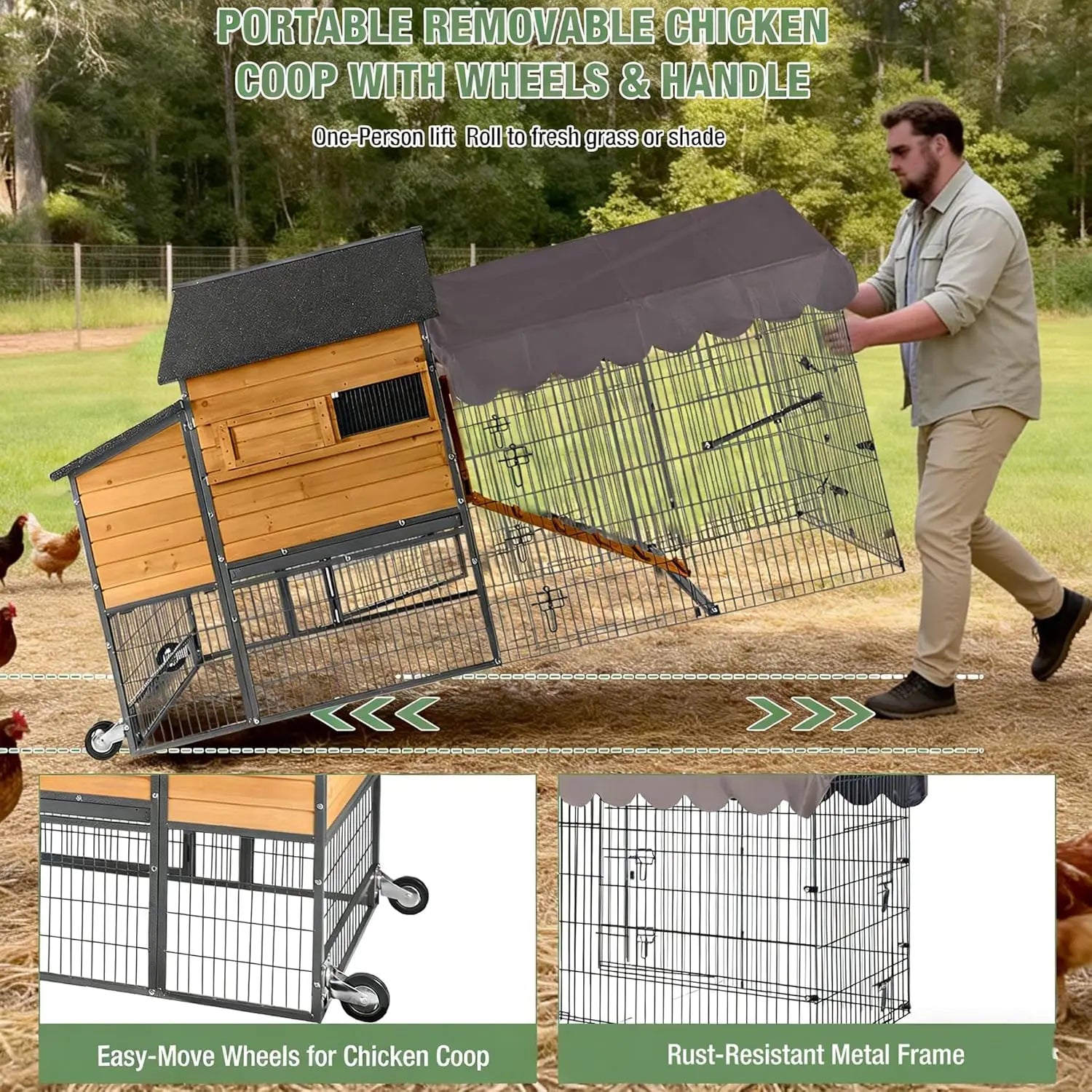
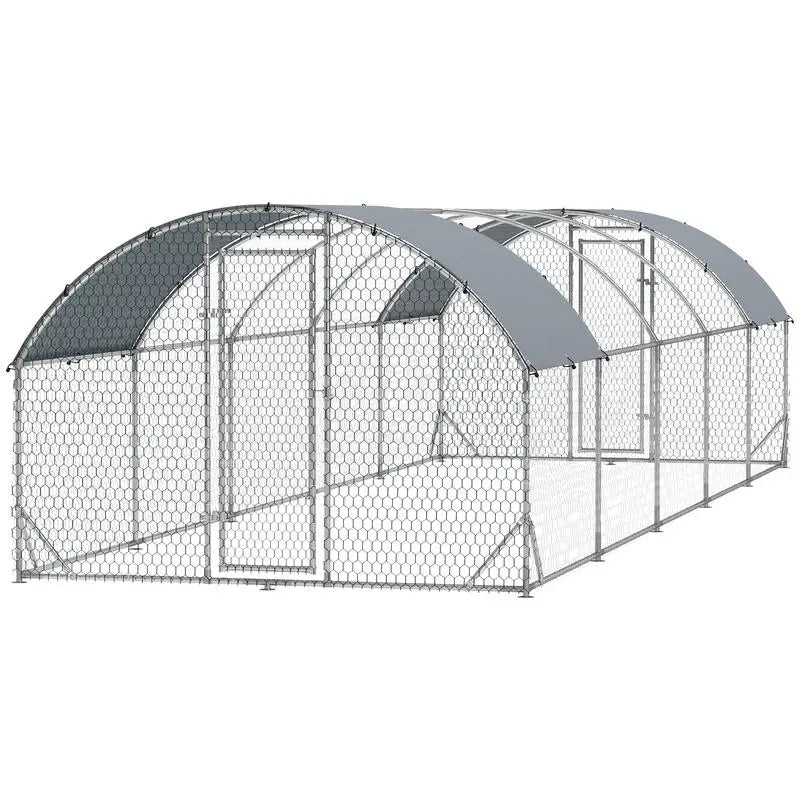
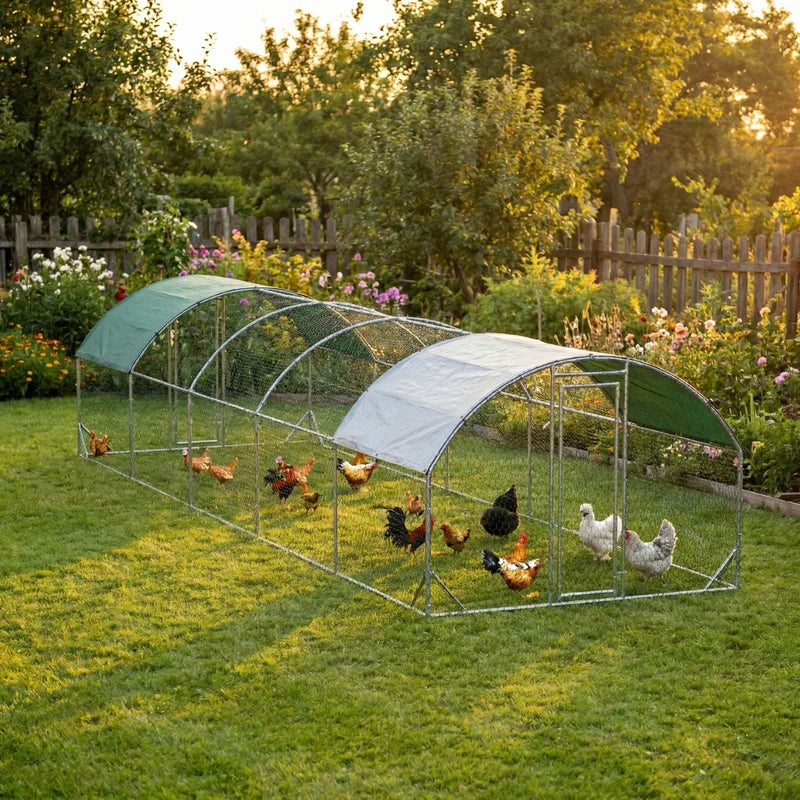
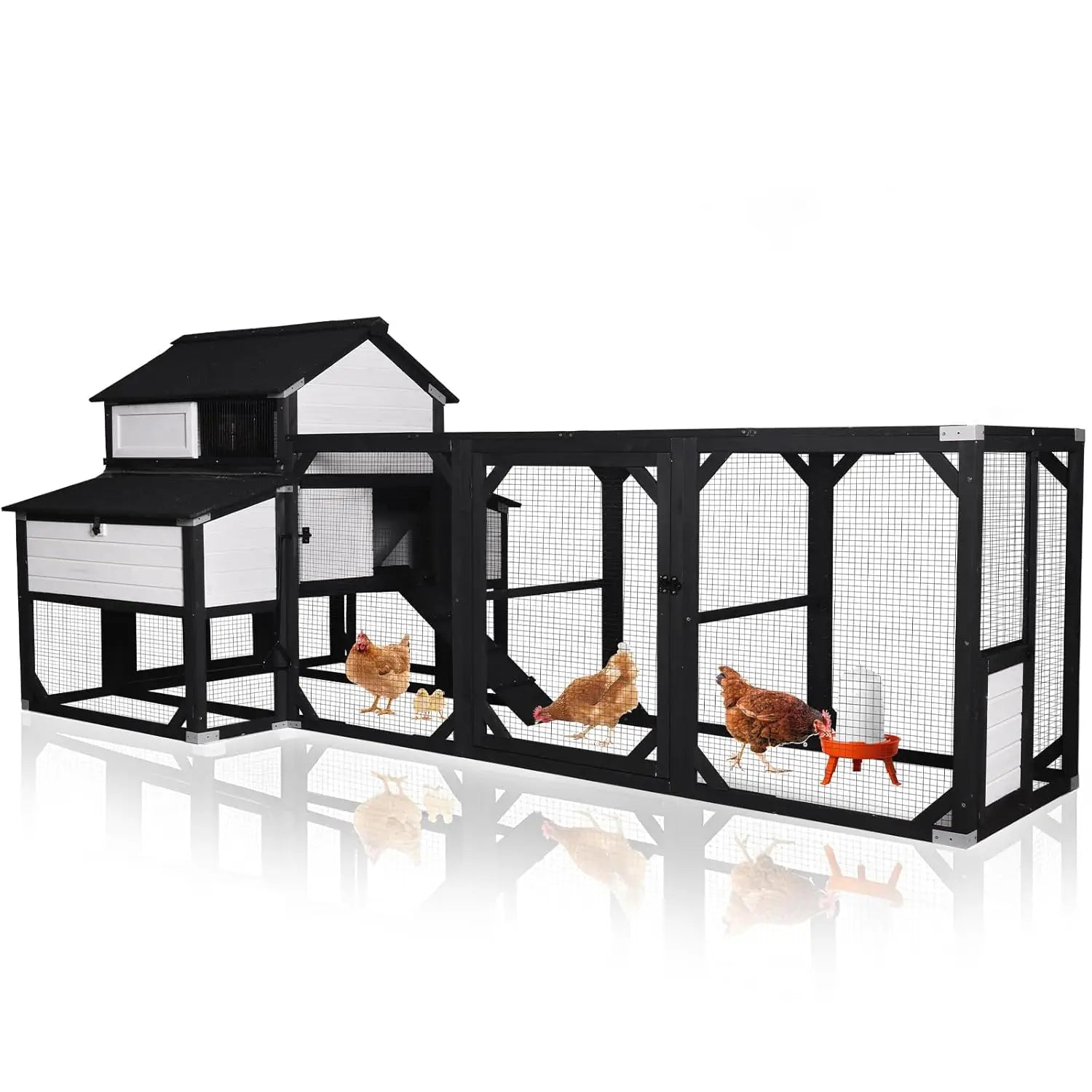
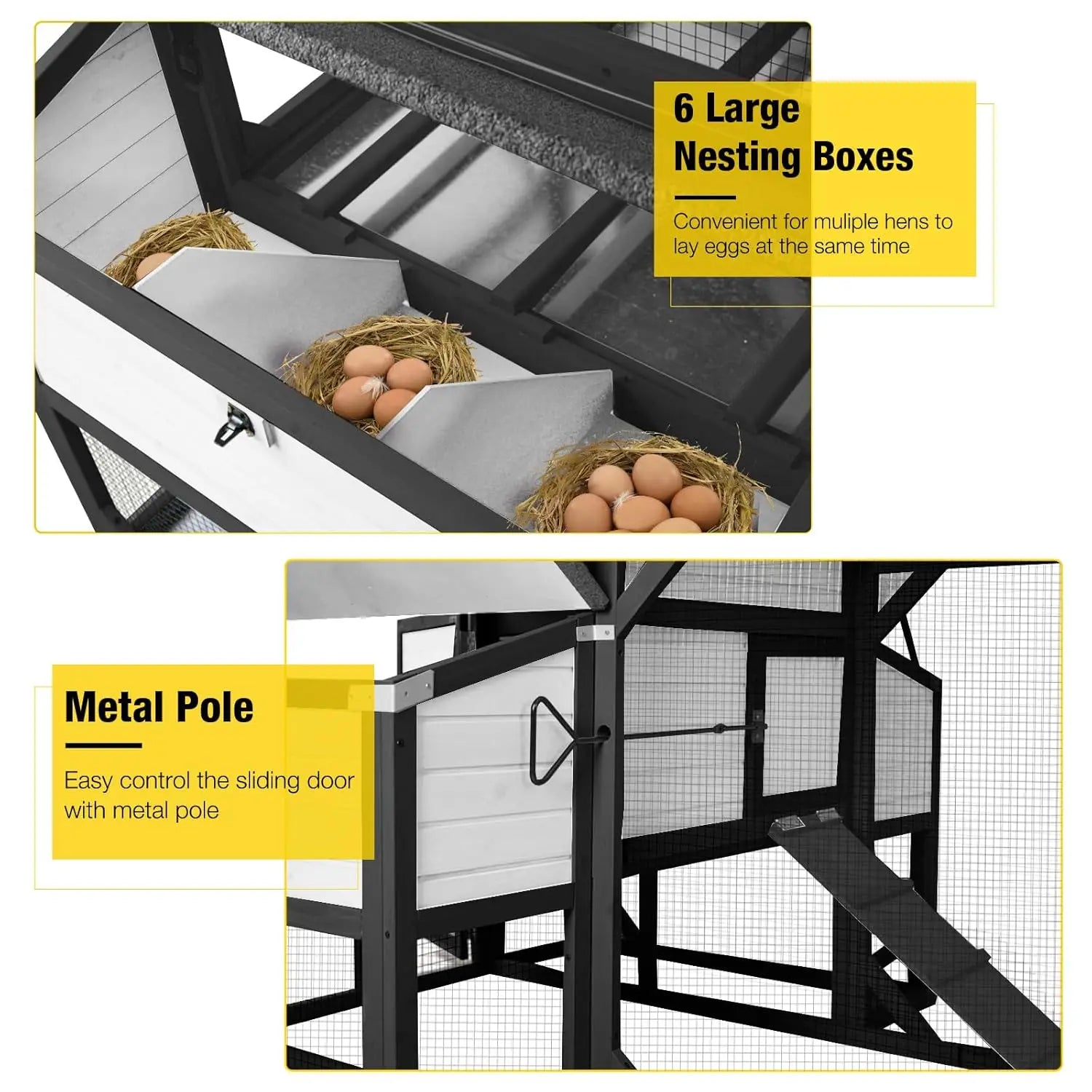
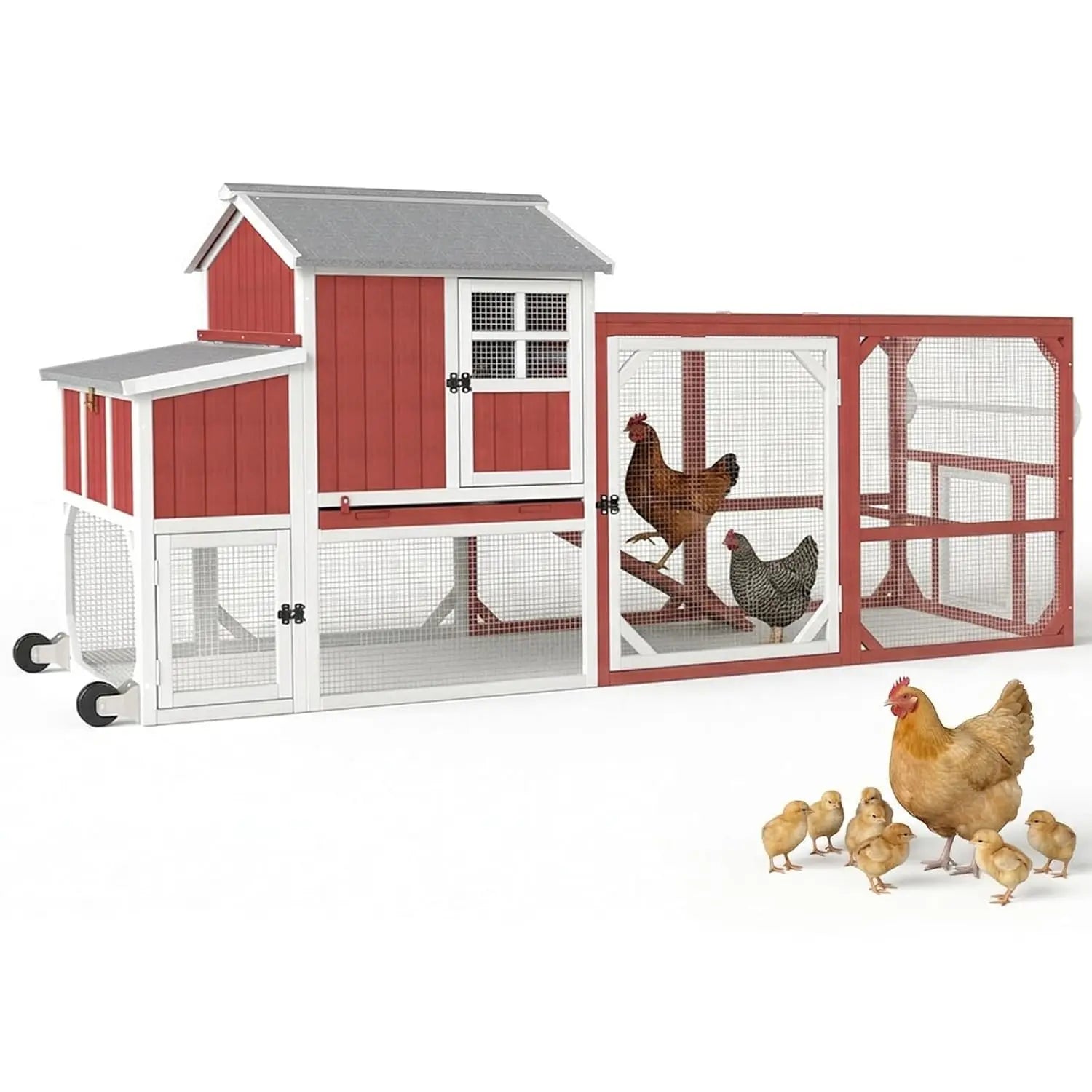
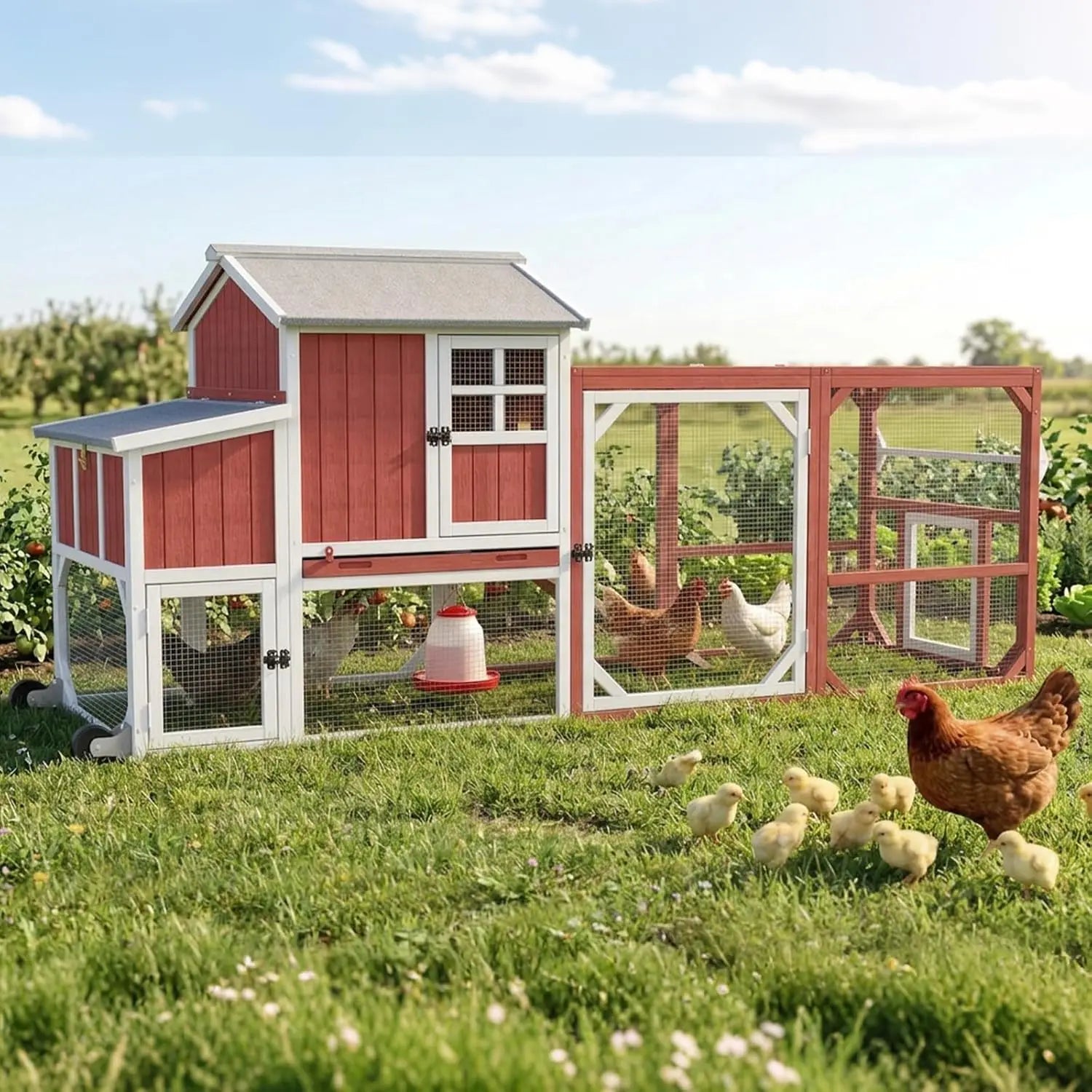
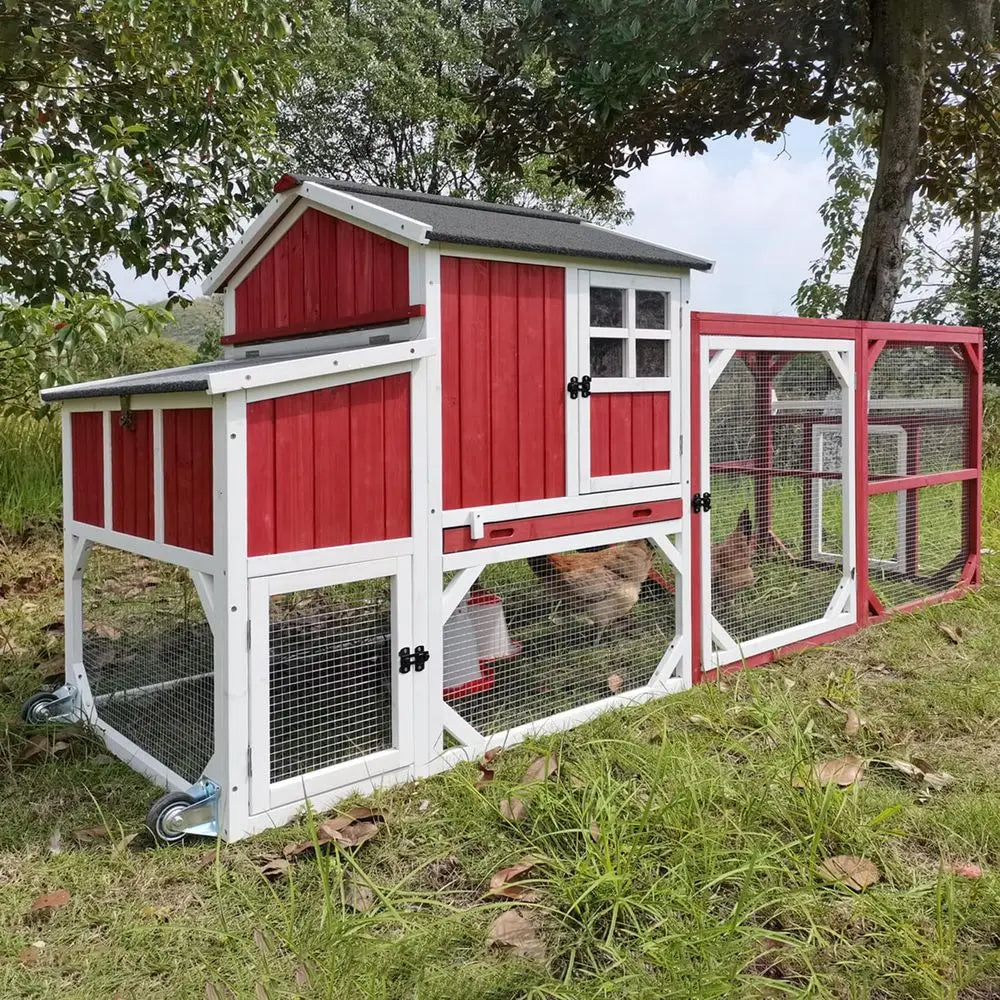
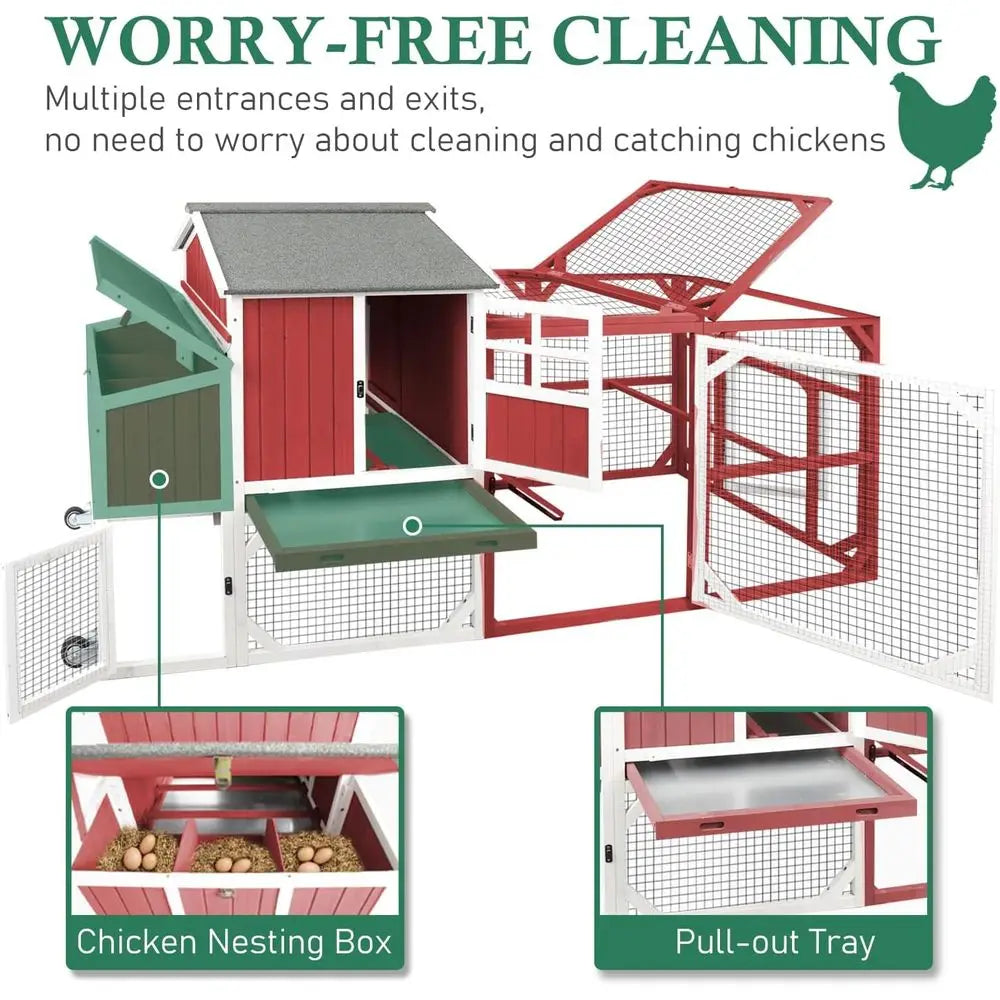
A large chicken coop, here, means a footprint measured in square feet rather than described with an adjective — measured, not adjectival. The range runs from steel-framed coops with a run up to full XL and walk-in enclosures, and several of them still roll.
Every coop on this page has a dimension published by its manufacturer; that is the entry requirement, and a coop only appears here if its measurements earn it, whatever its title claims.
Buying for the flock you'll have
The usual mistake is buying for today's few hens and adding more in spring. Coop capacity is set by floor area, not enthusiasm. We walk through the space each bird needs in our chicken coop size guide — and it is usually more coop than a starter listing implies.
Why the hen count on a big coop is the least reliable number
A big outside dimension hides a small inside one.
So where a manufacturer states a figure we print it and, where they publish enough dimensions, our own arithmetic beside it. Sometimes those agree. On one 96.5-inch coop they don't, and we say so.
Large, and moving
Several of these still roll. A coop-and-run rig at this length riding on four heavy-duty wheels can be repositioned at all, which is more than most buildings of the size manage.
Length is what makes that hard: a long frame needs level ground and, realistically, two people. Assembled weight is the figure that would settle it, and manufacturers in this category do not print it — so the Mobility Spec on the coops here that roll covers the wheels and the handle and stops there, rather than guessing. Tell us which coop you are weighing up and we will ask the factory for the number.
Where to go next
- Room to stand up in? See walk-in chicken coops.
- Want the run included? See chicken coops with runs.
- Want it to move? See mobile chicken coops.