

Collection: Chicken coops for sale
Every chicken coop we have for sale, on one page — wooden and metal, static and on wheels, bare hen houses and coops with the run already attached.
Featured product
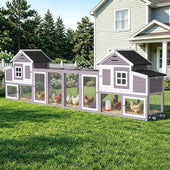
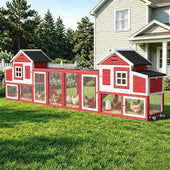
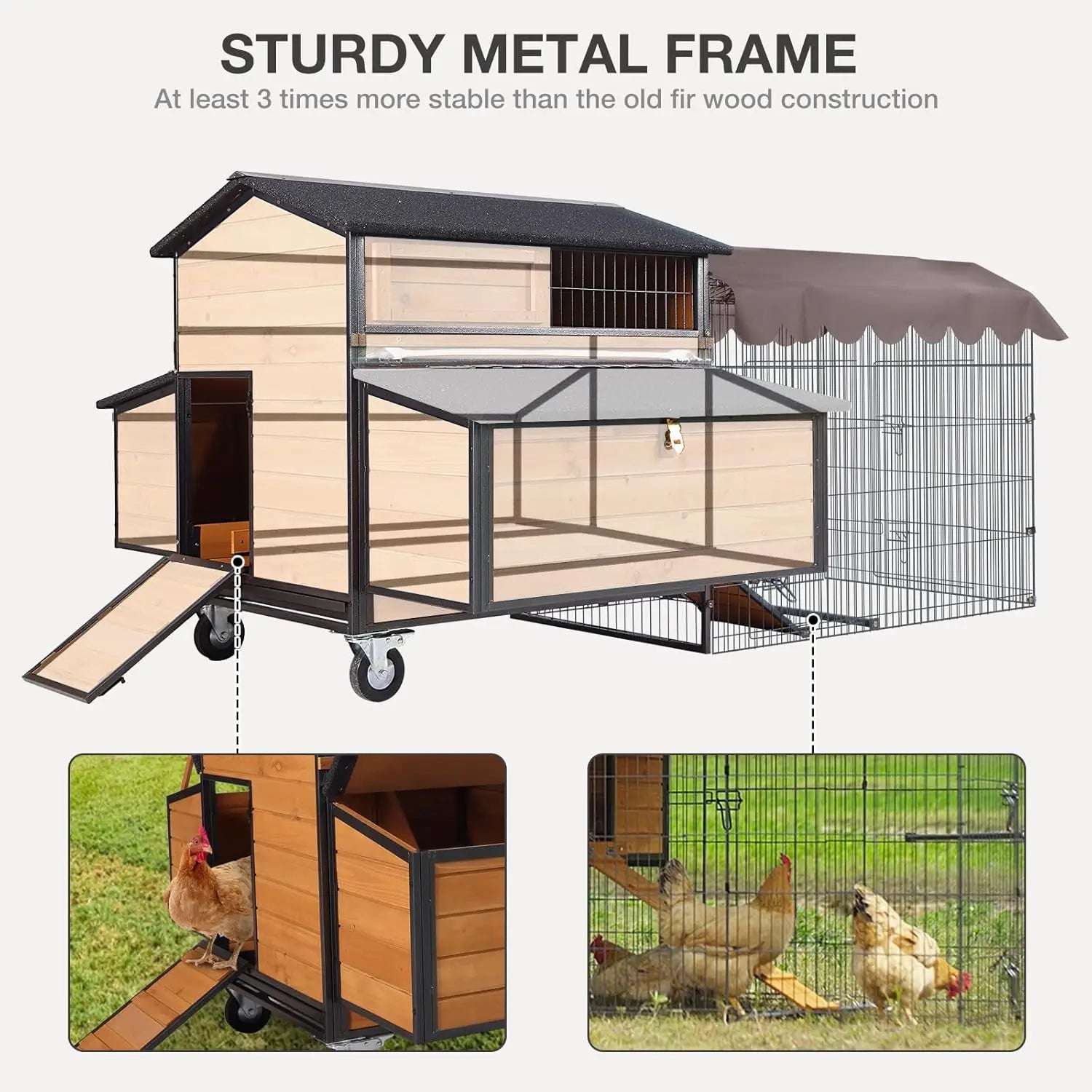
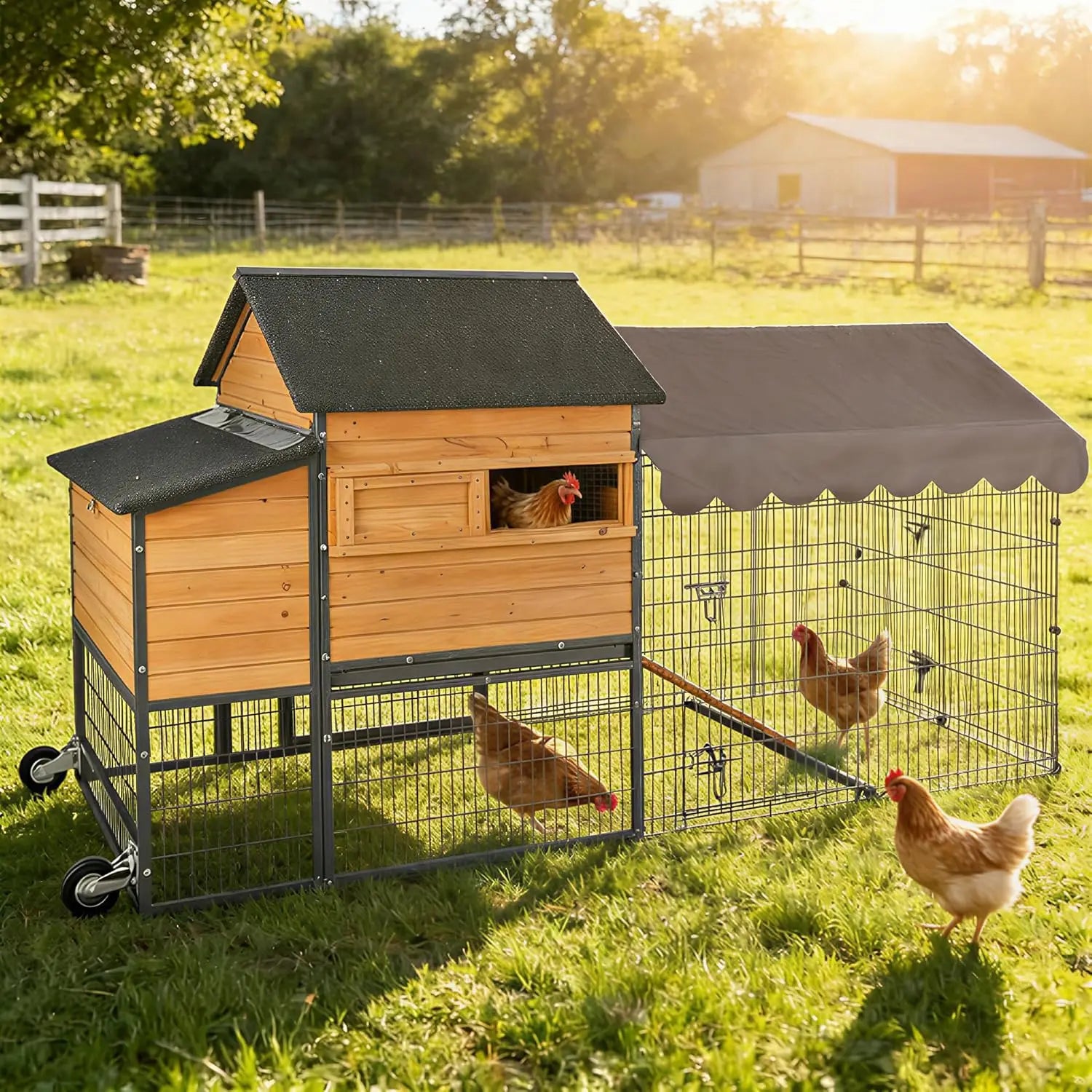
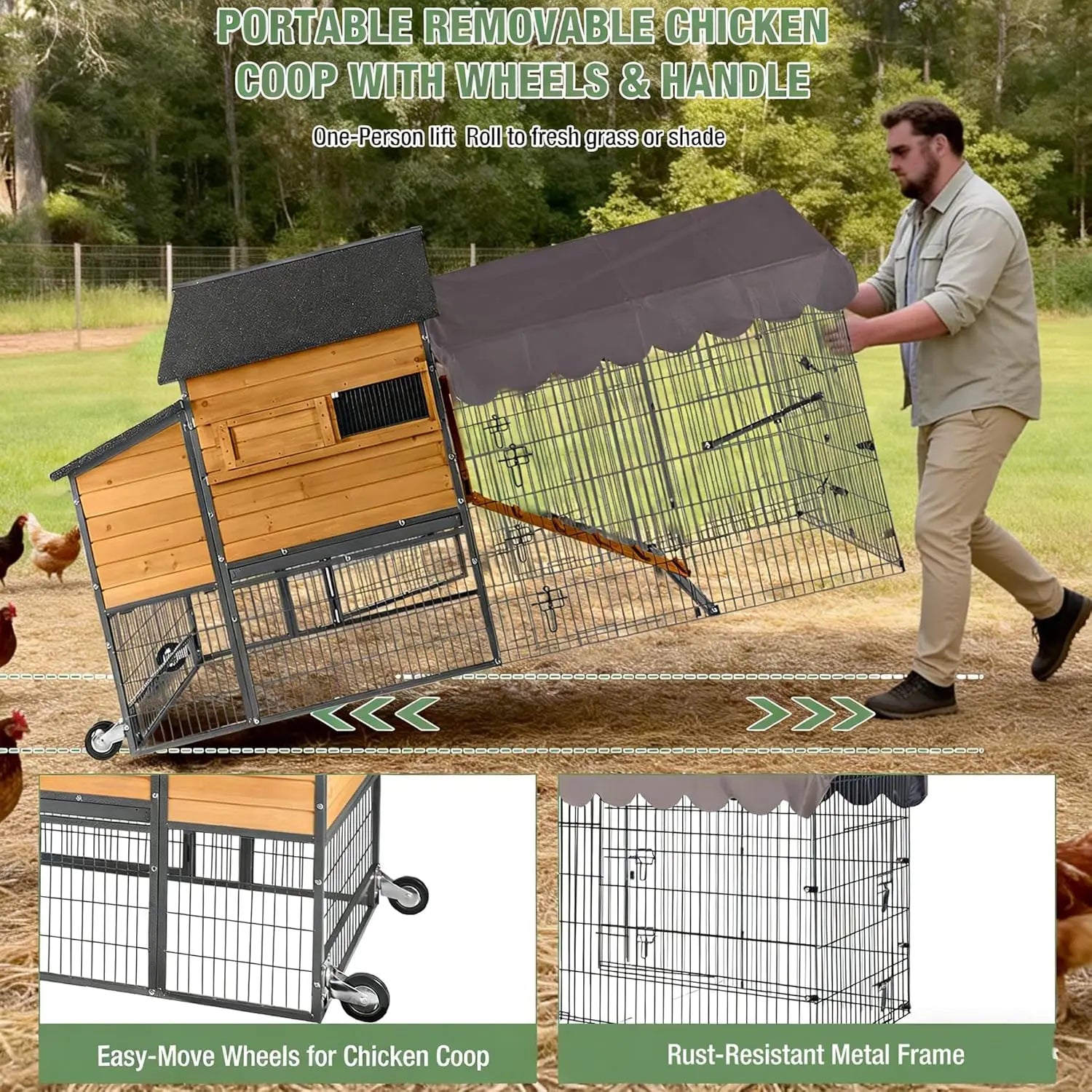
Not sure which one?
Three questions: flock size, yard space, how often you plan to move it.
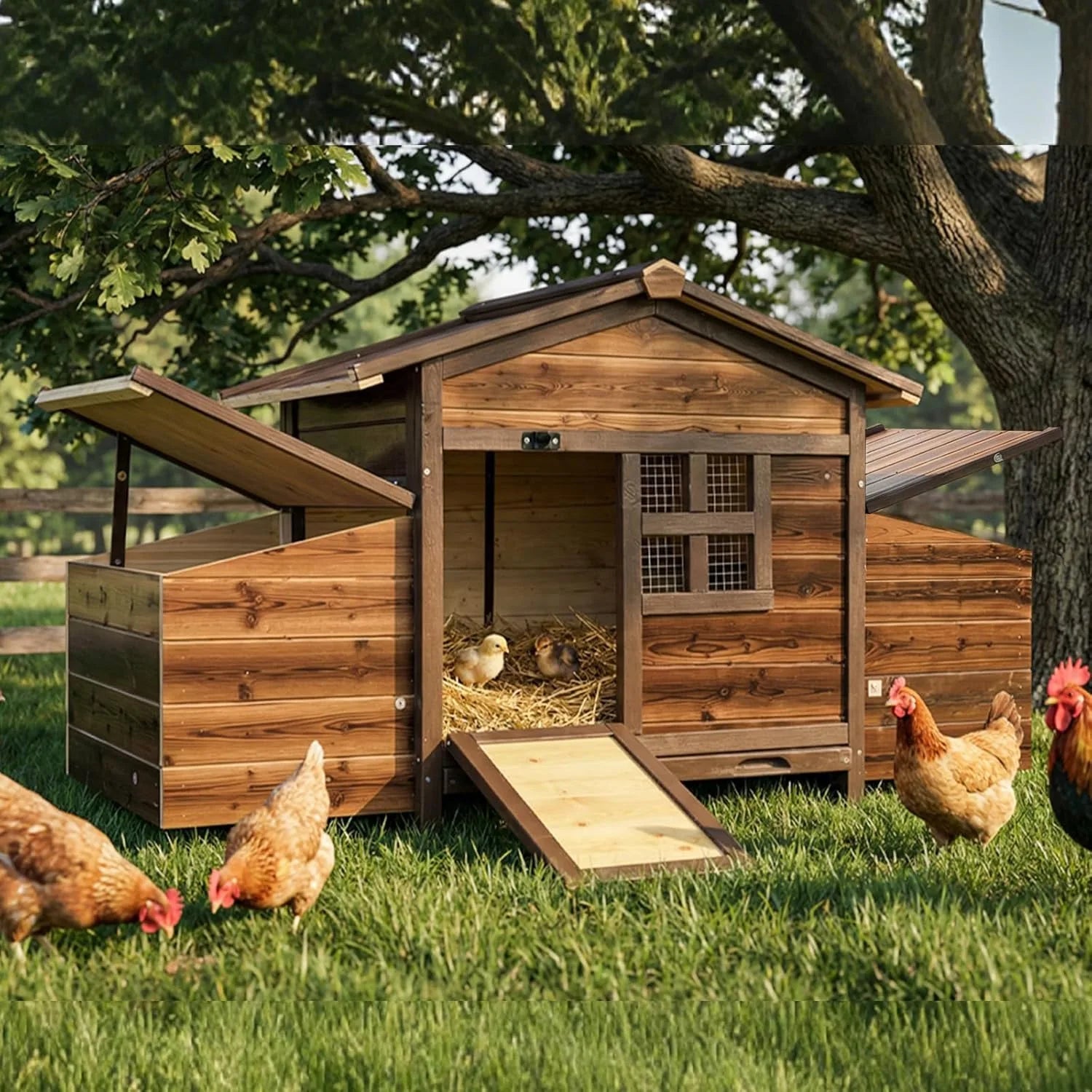
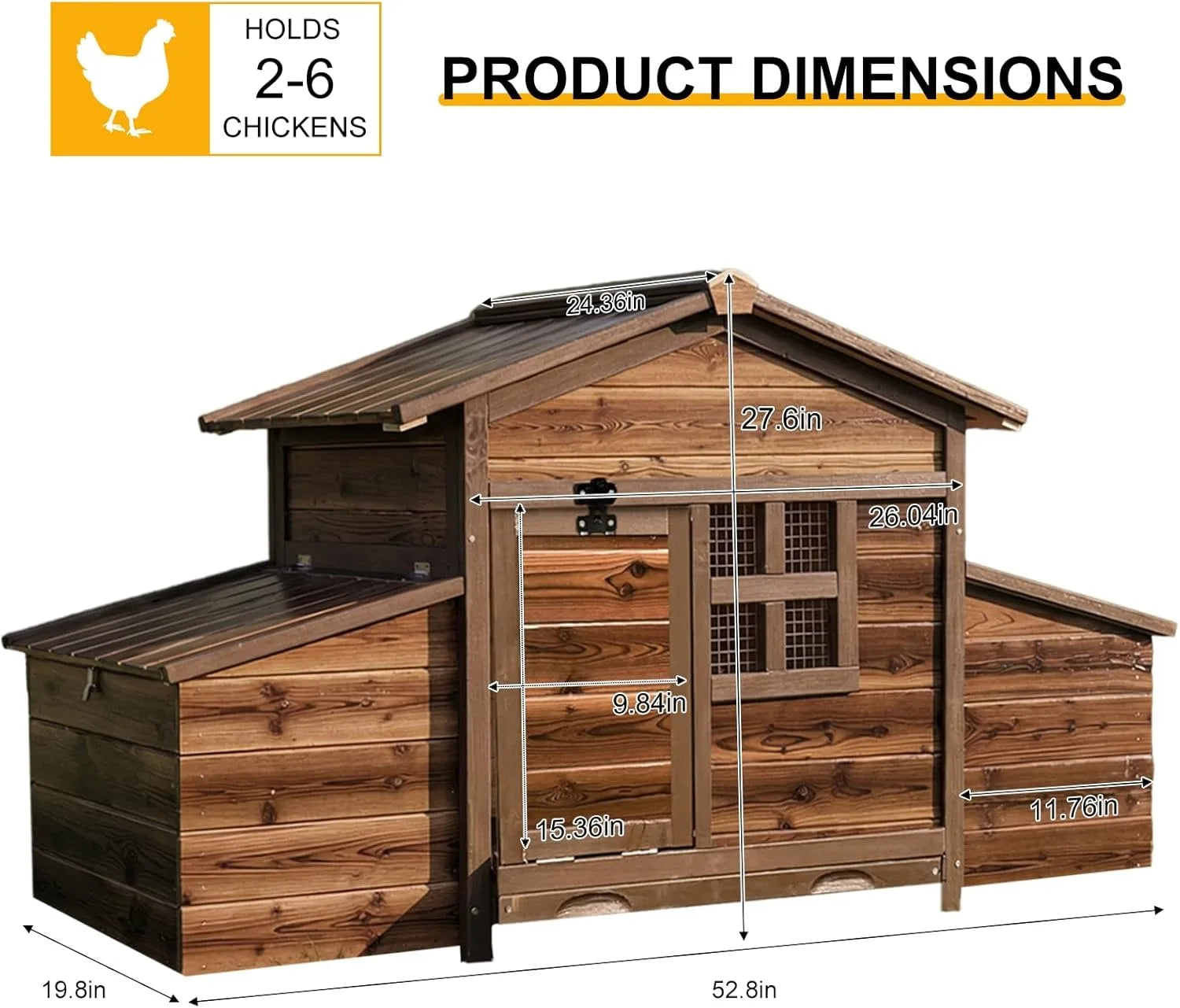
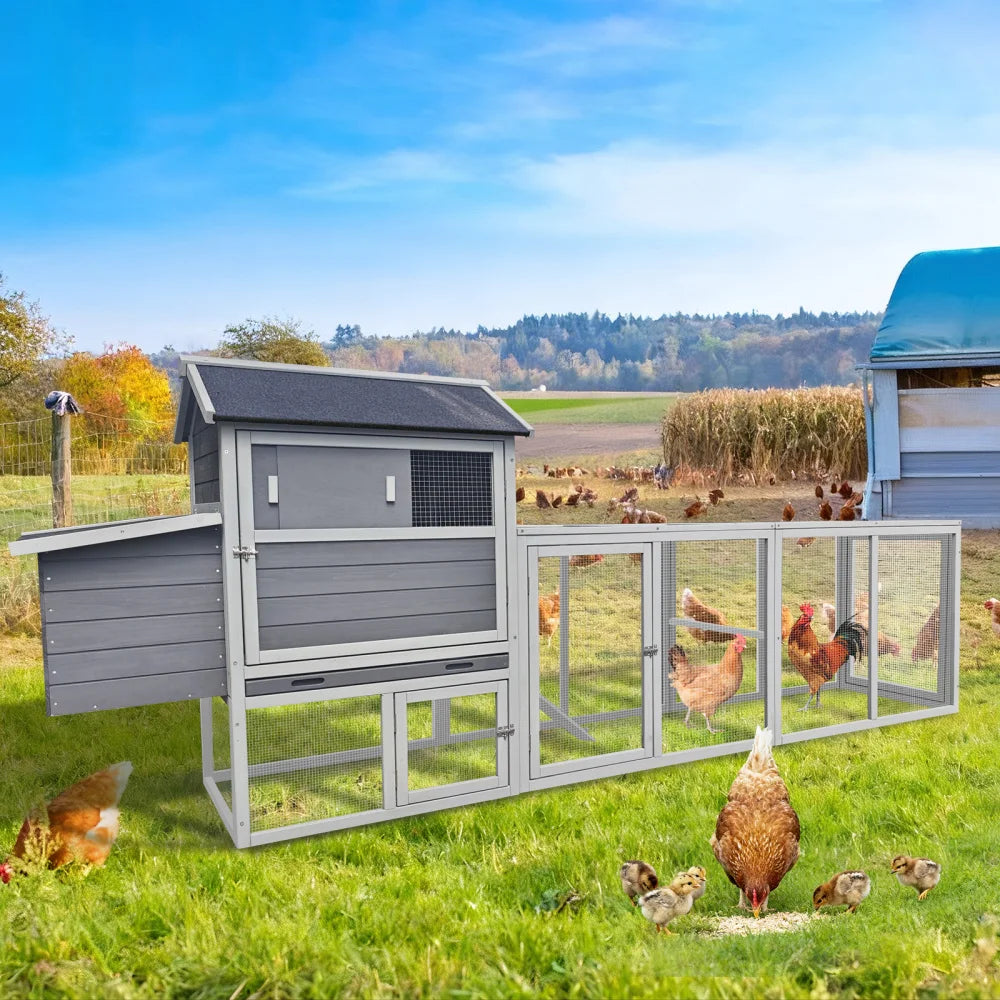
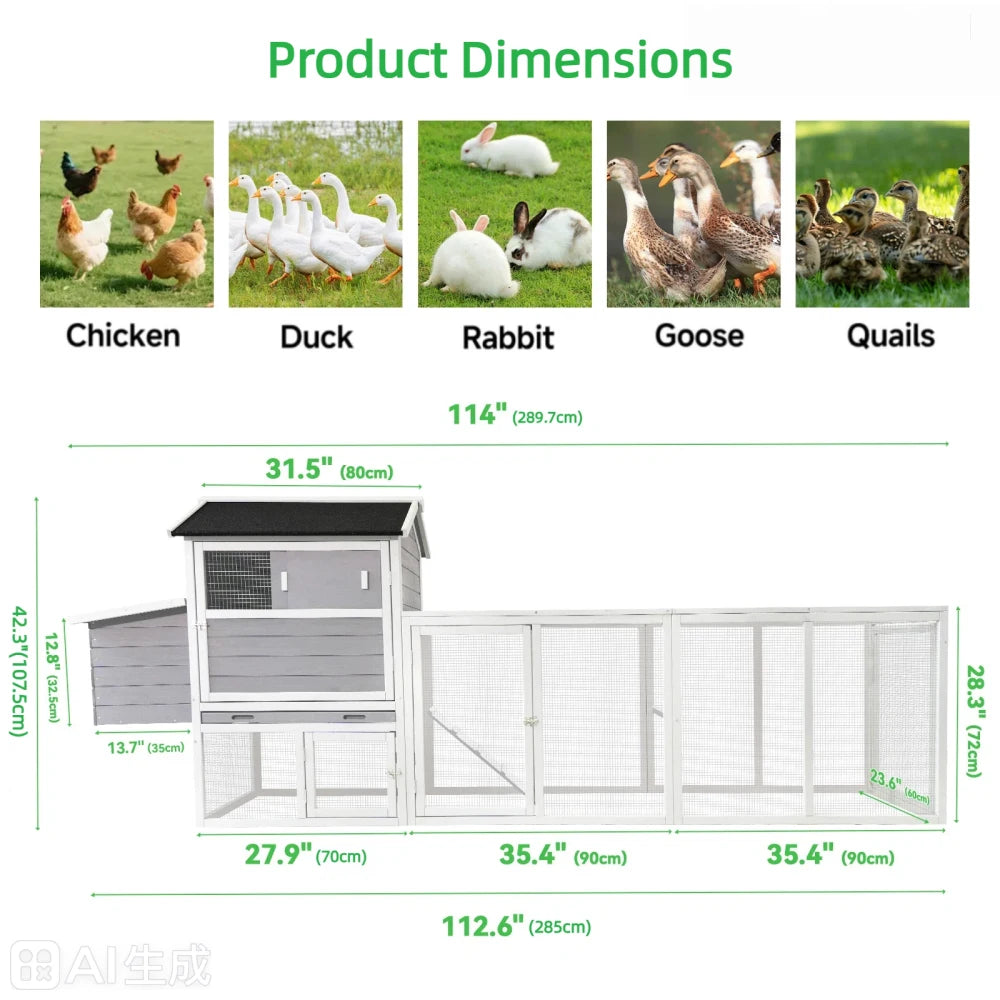
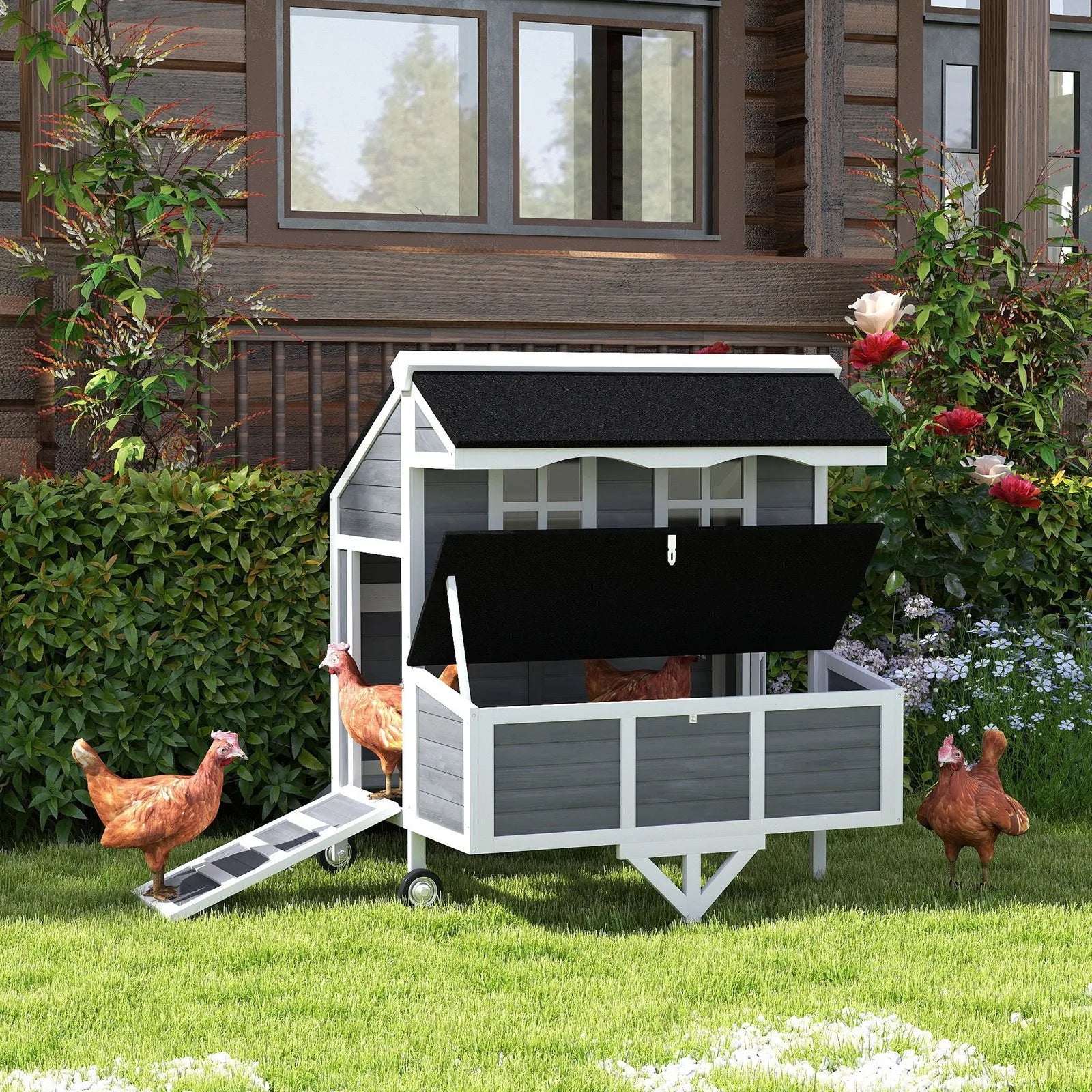
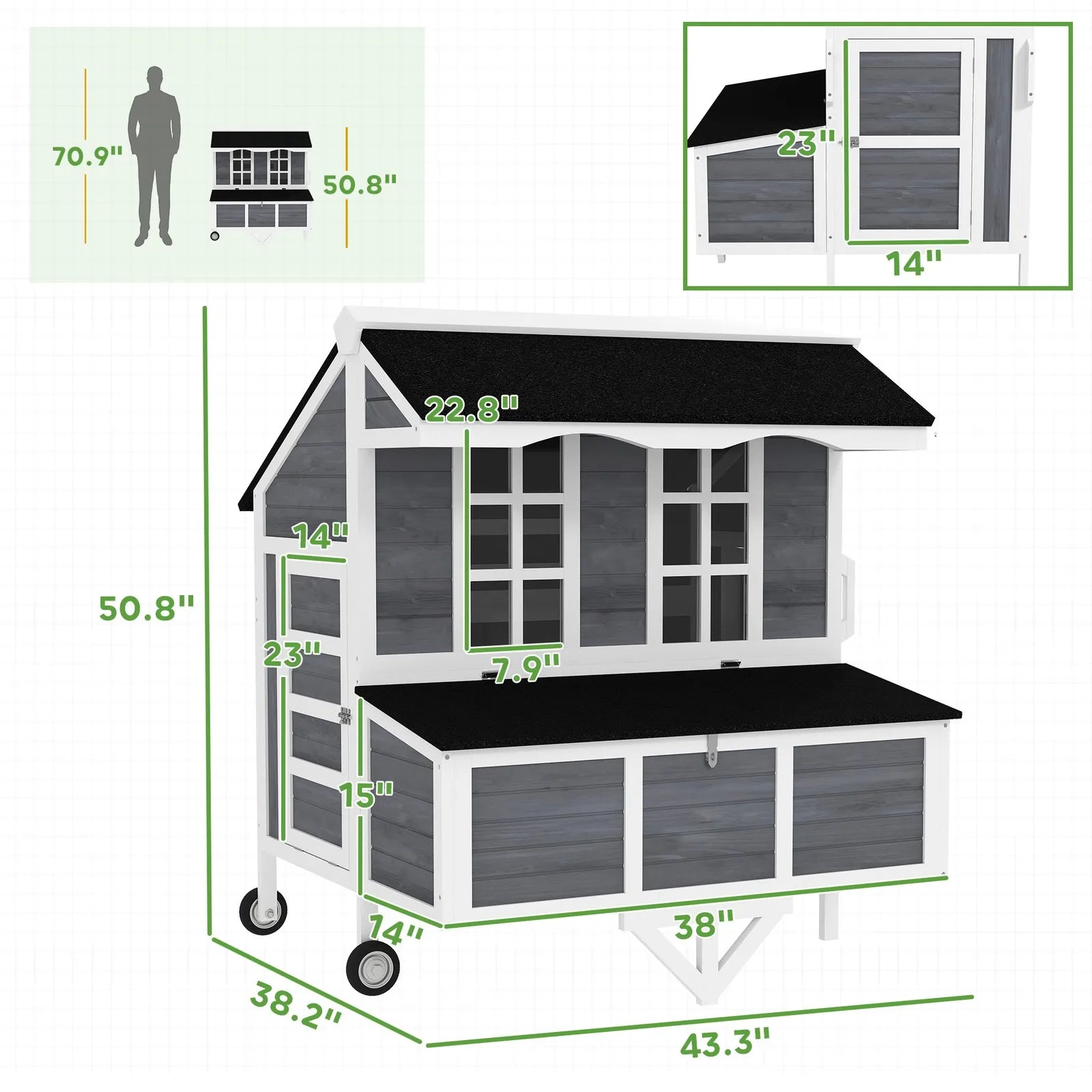
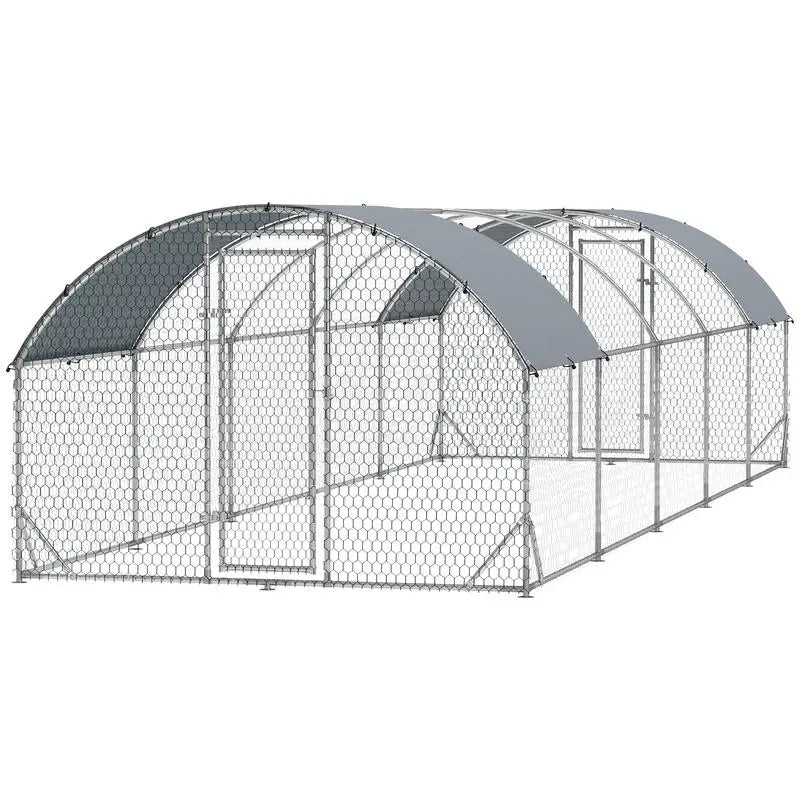
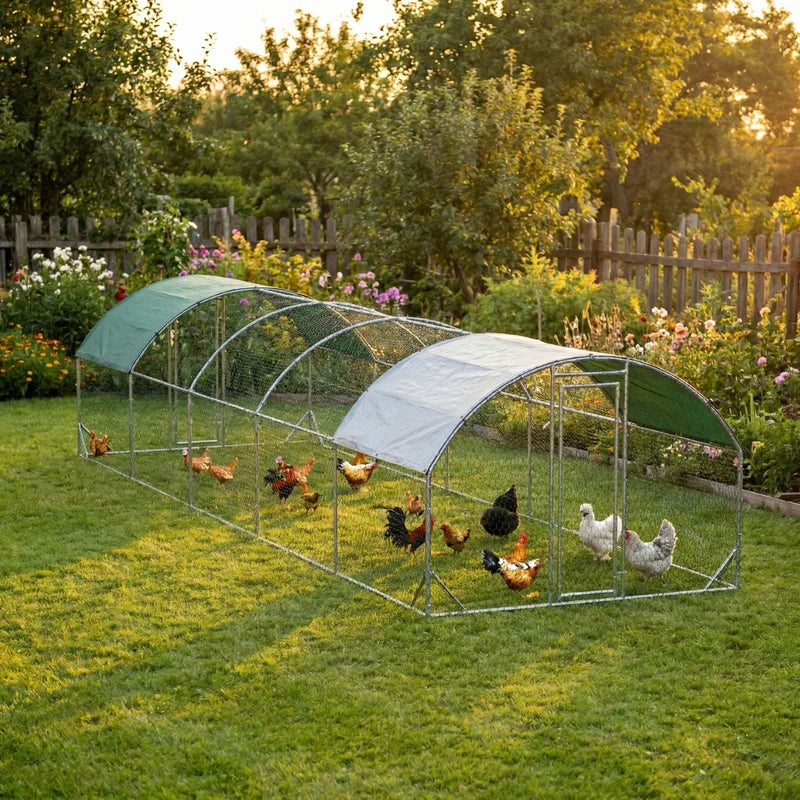
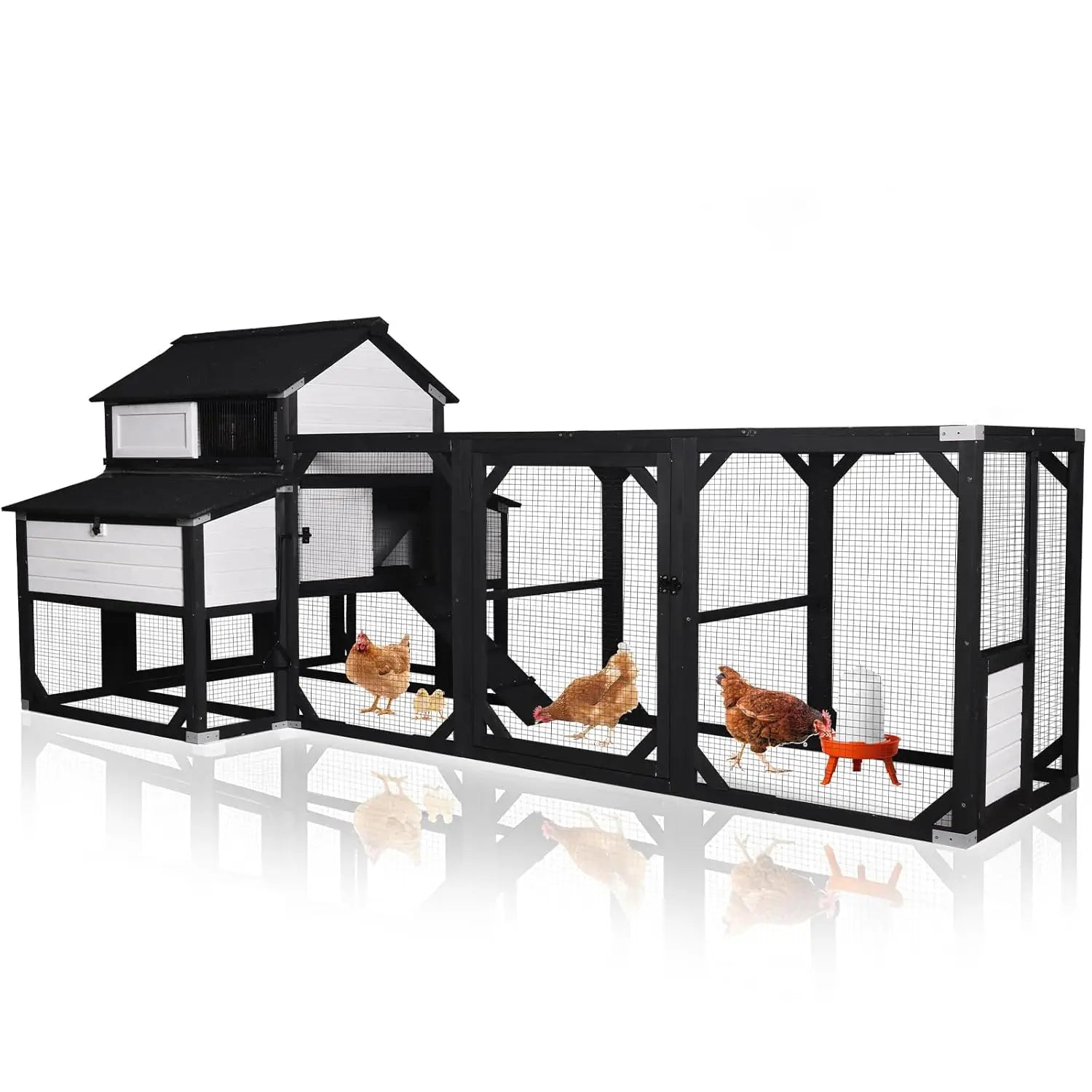
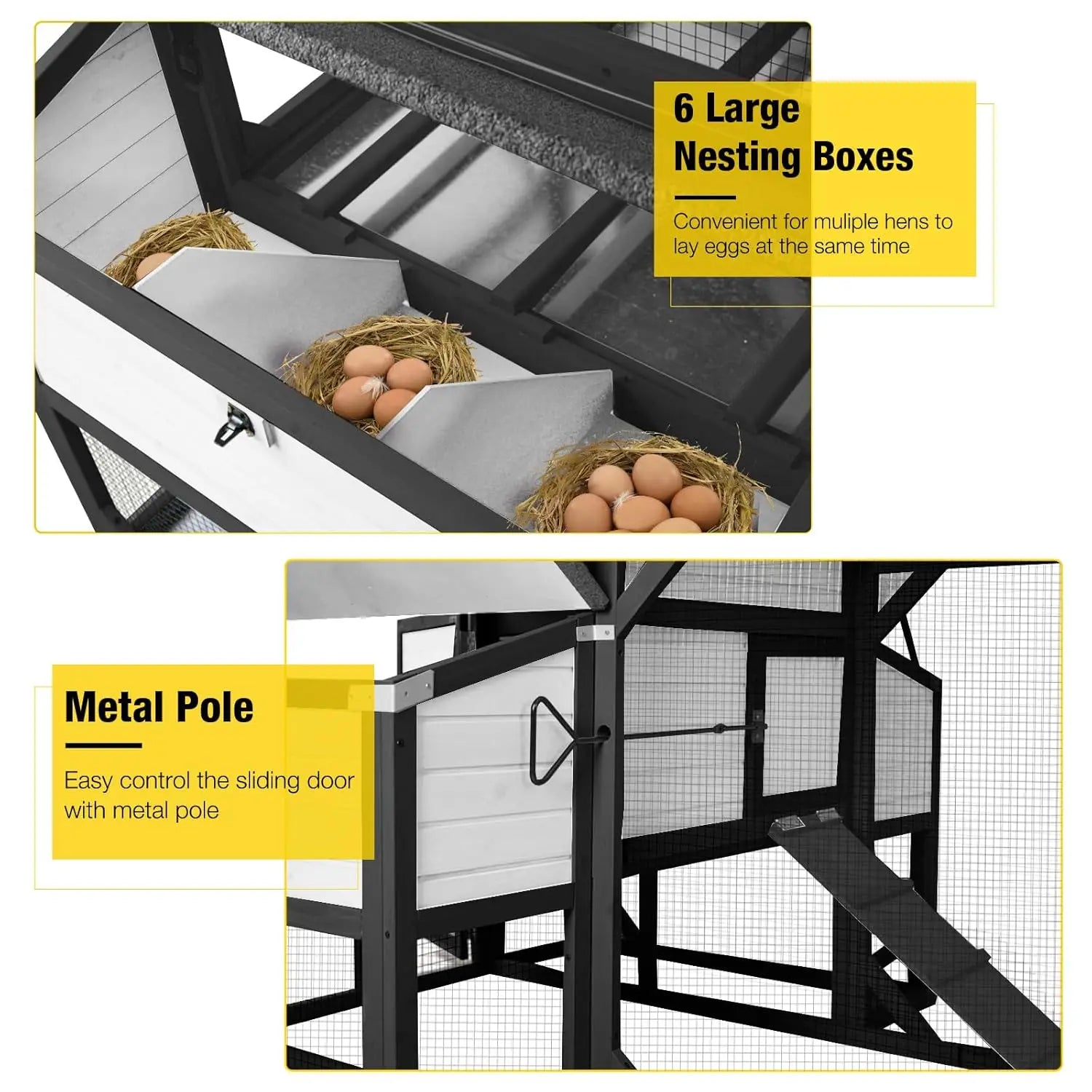
Every chicken coop we have for sale sits on this page: wooden and metal, static and on wheels, bare hen houses and coops with the run already attached. Many of them move.
Each page carries the dimensions and the capacity its manufacturer states, our own square-foot arithmetic wherever they give us enough to work with, and — on the coops that roll — a Mobility Spec for the wheels and the handle. Where a maker publishes none of it, nothing goes in its place — tell us which figure you need and we will put the question to them.
How the range is organized
By how it moves, mostly, because that is the question most people start with.
- Mobile chicken coops — the ones that roll.
- Portable chicken coops — the smaller end of that set.
- Chicken coops with runs — if you want the fenced space included.
- Walk-in chicken coops — if you'd rather not stoop.
- Large chicken coops — sized for flocks that have outgrown a starter house.
- Chicken coop kits — the ones that arrive flat in cartons and bolt together in your yard.
What to check before you buy anything here
Three things, in this order:
- Coop space. How much room the hens have inside; a long coop is often mostly run.
- Run space. How much fenced ground they get when they aren't free-ranging.
- The floor, if you want a chicken tractor rather than a coop on wheels. Manufacturers in this category do not put it in writing, so no listing anywhere settles it — ask us and we will get it from the factory. We explain why it matters on the mobile coops page.
We walk through the space each bird needs in our chicken coop size guide. Where a manufacturer has stated a coop's dimensions and capacity, they are on that coop's page; where a figure is missing, tell us the model and we will get it from the manufacturer so you can still match the coop to your flock.
Poultry coops, hen houses, chicken coops
The words get used interchangeably and the listings are no help. On this site a hen house is the sleeping box — roost bars, nest boxes, a door. A coop is that plus whatever enclosed space comes with it. A poultry coop is the same structure sold to people who also keep ducks or bantams in it.
What actually changes between them is floor area, height and whether the run is attached, so those are the numbers we publish rather than leaning on the label.
Kits, flat-packs, and what assembly means here
Assume a build. Flat-packed is the norm here, and in this category a chicken coop kit and a flat-packed coop are the same thing: panels, fixings and instructions in a box, built by you.
Where a manufacturer publishes a build time we print it on that product's page. Where they don't, we say so, rather than promising you a quiet afternoon.
Buying new against buying used
We sell new. If you are weighing a second-hand hen house from a local listing instead, the things worth inspecting are the floor line for rot, the mesh gauge, and whether the doors still seat squarely — a coop that has sat through two winters usually fails on one of the three, and none of it shows in a photograph.
What you get from us instead is the specification in writing before you order, including the figures the maker left out.